
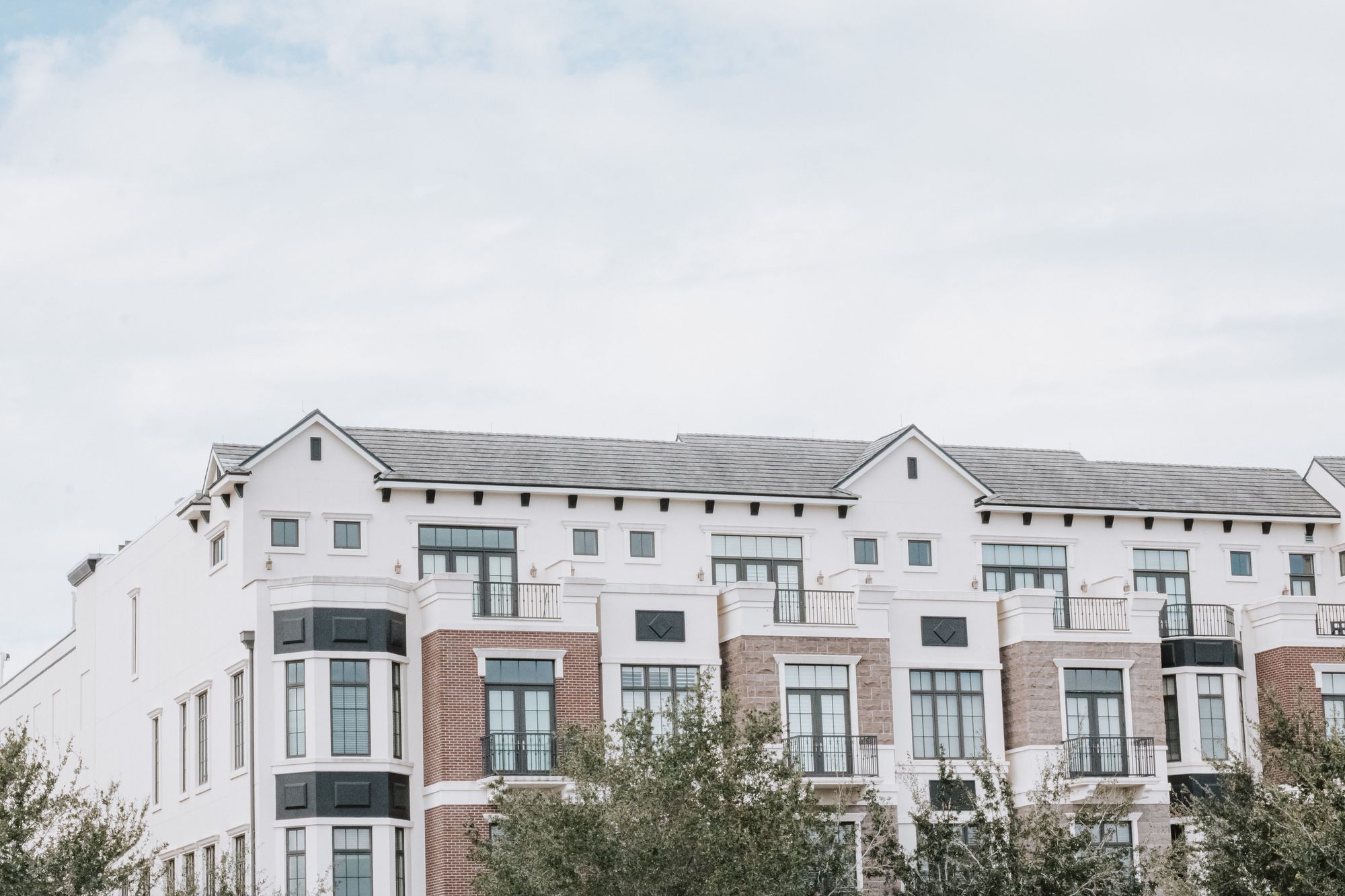
Ownership
- House on its own lot, outside a scheme
- Generally the lot alone: the land and the building, with no common property.
- Townhouse
- The title sets it. In a community titles scheme: a lot plus a share of common property. With no common property, body corporate or community management statement: generally a lot outside a scheme.
- Unit
- In a community titles scheme: a lot plus a share of common property that can't be separated from it. Building format plans usually apply to multi-storey unit complexes.
Body corporate
- House on its own lot, outside a scheme
- None outside a scheme. The owner generally decides on and pays for all maintenance and insurance.
- Townhouse
- Automatic membership if it's a scheme lot. Standard format plan: the owner is generally responsible for the outside of the building, and the body corporate must insure buildings sharing a common wall. Building format plan: the body corporate usually maintains the outside and must insure the building.
- Unit
- Automatic membership if it's a scheme lot. Building format plans usually apply to multi-storey unit complexes. On that plan the body corporate usually maintains the outside, foundations and roof and must insure the building, and the owner is generally responsible for the inside of the lot.
Land component
- House on its own lot, outside a scheme
- Its own Valuer-General valuation, the base for land tax.
- Townhouse
- In a scheme: no valuation of its own. The scheme land is valued as a whole and shared by interest schedule lot entitlement. Outside a scheme: as for a house.
- Unit
- In a scheme: no valuation of its own. One valuation of the scheme land, shared by interest schedule lot entitlement.
Rent data source
- House on its own lot, outside a scheme
- RTA 'houses' series: median weekly rents from new bond lodgements each quarter.
- Townhouse
- RTA 'townhouses' series. Some areas have no figure printed.
- Unit
- RTA 'flats or units' series. All three can be searched by postcode in the RTA quick finder.
This table sets out differences. It doesn't rank the three types.
"Is a townhouse a good investment?" The dwelling type can't answer that. For an investor buying to rent in Queensland, a townhouse is a different bundle of land, costs and control from a house or a unit. The title and the plan format decide what you own, who maintains the building, who insures it and how the land is valued.
By Kayla Dale, Senior Property Manager and Sales Agent, FAA Property. Last reviewed 13 October 2026. General information only, not financial, tax or legal advice. Get your own advice before you buy.
A listing calls it a townhouse. In Queensland, what you'd own, who insures the roof and how the land is valued for land tax all come from the title and the plan format. This article sets a house, a townhouse and a unit side by side as rentals. It works from the Body Corporate and Community Management Act, the Queensland Revenue Office's land tax thresholds and the RTA's median rents by dwelling type. It doesn't rank the three. It gives no growth figure either, because none of the sources read publishes one by dwelling type. If you'd like to ask about investment property options, there's an enquiry link at the end.
What you own: a lot on its own, or a lot plus shared common property
With a house on its own lot outside a scheme, you generally own the lot and share nothing. With a townhouse or unit in a community titles scheme, you own a lot plus a share of the common property.
Under the Body Corporate and Community Management Act 1997, every scheme has at least two lots, common property, a single body corporate and a single community management statement. Common property is the scheme land outside every lot. Lot owners hold it together, in shares set by each lot's interest schedule lot entitlement, and your share can't be separated from your lot.
A scheme lot is still freehold: a scheme can only sit over freehold land.
Membership of the body corporate is automatic, with no opting out. The Queensland Government says that brings obligations beyond those of owning a detached house.
The building's shape won't tell you which you're buying. A body corporate property can be a duplex, a unit block, or a larger plan with townhouses and freestanding houses. The words are explained in strata and body corporate terms in Queensland.


Not every townhouse has a body corporate: check the plan
A townhouse can be a lot in a scheme or a lot outside one. Where the land has no common property, no body corporate and no community management statement, it generally isn't a scheme lot, so no body corporate levies arise under the Act. None of the sources read says how common that is.
Inside a scheme, check the plan format next. A Queensland survey plan can be in standard, building or volumetric format. A standard format plan defines land by marks on the ground. A building format plan defines it by a building's structure, such as floors, walls and ceilings.
Townhouses turn up on both. The Queensland Government's example of a standard format scheme is a townhouse complex where each lot has a building and a yard. Building format plans usually apply to multi-storey unit complexes, and can also apply to townhouses, villas, housing estates or duplexes.
Two records settle it. The survey plan, held by Titles Queensland, shows the plan format. A scheme also has a community management statement recorded there.
Two dwellings on one lot are a separate topic: see dual key, dual occupancy and duplex. Buying before the plan is registered is covered in buying off the plan in Queensland.
Who maintains and insures the building under each plan
The plan format decides most of it: the insurance a body corporate must hold depends on the type of survey plan the scheme is registered under.
Standard format plan
- Maintenance
- You're generally responsible for the outside of the building in your lot, its foundations, and the lawns, gardens and driveways inside the lot.
- Building insurance
- The body corporate must insure, for full replacement value, each building that shares a common wall with another. A free-standing building is the owner's to insure.
- Your share of the premium
- For buildings with common walls, it relates to the cost of reinstating the buildings on your lot.
Building format plan
- Maintenance
- The body corporate is usually responsible for the outside of the building, its foundations and roof. You're generally responsible for the inside of the lot, fixtures and fittings included.
- Building insurance
- The body corporate must insure, for full replacement value, each building that contains a lot.
- Your share of the premium
- Based on the interest schedule lot entitlements.
A house on its own lot outside a scheme has no body corporate, so the owner generally decides on and pays for all of it.
On a standard format plan, the body corporate can't pay for, or levy owners for, a lot owner's maintenance, such as painting the building, unless it has an agreement with that owner and charges them.
Tenants in a body corporate property must follow the by-laws, and should be given a copy when the lease starts.
Most levies follow a different schedule from the interest schedule: the contribution schedule lot entitlement sets each owner's share of most body corporate costs. Some, such as the building insurance premium above, are divided differently. The detail is in body corporate fees in Queensland. Cover and cost are in investment property insurance.
Land tax and rates: how a scheme lot's land value is set
Land tax figures read from the Queensland Revenue Office, 13 October 2026
A scheme lot has no land valuation of its own. The Valuer-General values the scheme land as one undivided whole, as if it had a single owner.
That value is shared out by interest schedule lot entitlement. It's one of two lot entitlement schedules in the community management statement, and it sets a lot's value for any rate or tax worked out on value. Council rates use it. So does land tax: section 29 of the Land Tax Act 2010 splits the taxable value of the scheme land between the lots in proportion to those entitlements. Each lot is then its own parcel. The same schedule also sets each owner's share of the common property and assets if the scheme ever ends.
The Body Corporate and Community Management Act's own example: scheme land valued at $120,000, three lots with equal entitlements, $40,000 each, common property included.
You don't pick the number. The developer sets lot entitlements when the scheme is established.
For a house on its own lot, taxable value is based on the Valuer-General's annual valuation of that land.
An individual is liable once the total taxable value of their freehold land is $600,000 or more. For a company or trustee it's $350,000. Liability is based on land owned at midnight on 30 June each year.
A home exemption may be available on land used as the owner's home, so check where a rental stands. Rates and how holdings add up are in land tax on a Queensland investment property.
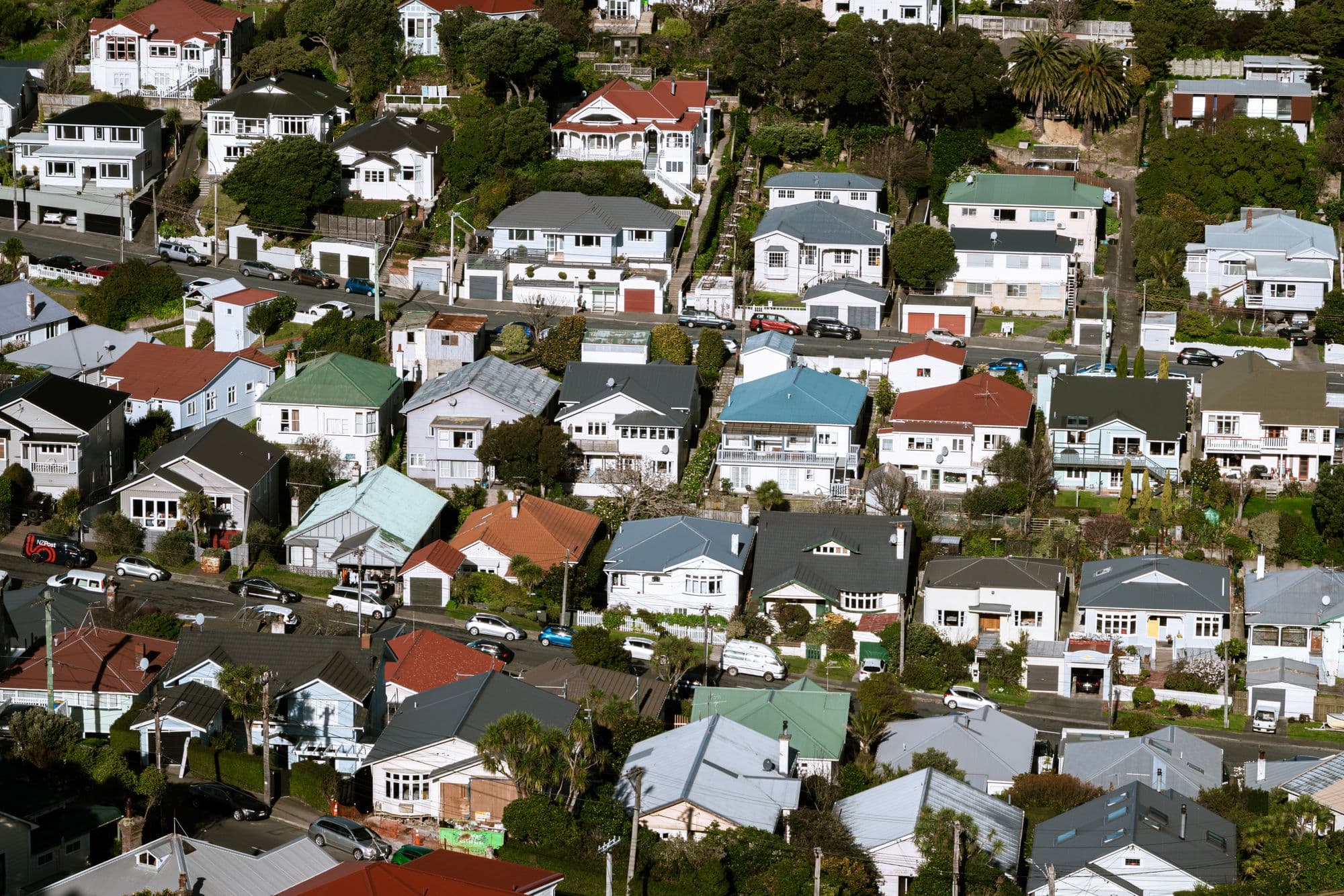
What each type rented for: RTA medians, June quarter 2026
The three types don't hold one rent order across Queensland. Each quarter the RTA works out median weekly rents for houses, townhouses and flats or units from new bond lodgements. The figure shows three-bedroom medians for tenancies that started in the June quarter 2026.
| Area | House | Townhouse | Flat or unit |
|---|---|---|---|
| Queensland | $630 (9,749 bonds) | $690 (3,453 bonds) | $700 (2,707 bonds) |
| Brisbane City Council area | $720 (1,979 bonds) | $725 (1,137 bonds) | $850 (707 bonds) |
| Moreton Bay | $630 (934 bonds) | $600 (456 bonds) | $575 (195 bonds) |
Read the two council rows. In the Brisbane City Council area the unit median was $850 and the house median $720. In Moreton Bay the house median was $630 and the unit median $575. The townhouse median sat between them in both, at $725 and $600.
The Queensland row isn't like for like: each type's statewide figure draws on a different mix of places. Of 9,749 new three-bedroom house bonds lodged statewide, 1,979 were in the Brisbane City Council area. For townhouses it was 1,137 of 3,453, and for flats or units 707 of 2,707.
These are rents on new tenancies only. The RTA says to compare year on year rather than quarter on quarter. Some cells are empty: Banana Shire had no three-bedroom townhouse median printed for the quarter.
Look up your own postcode by dwelling type in the RTA's median rents quick finder. The method is in how the RTA median rent is built. Empty weeks are a separate measure: see what a rental vacancy rate measures.
Growth and resale by dwelling type: what the sources read for this article don't show
None of the pages read for this article publishes price growth, resale results or profit by dwelling type. They include Queensland legislation, Queensland Government body corporate guidance, the Queensland Revenue Office's land tax pages, the RTA's median rent data and the ABS 2021 Census housing release. So this article gives no growth figure for any type, up or down.
The ABS does publish the mix. At the 2021 Census, 70 per cent of Australia's private dwellings were separate houses, 13 per cent townhouses and 16 per cent apartments. That counts dwellings in Australia in 2021 and puts no price on them.
Yield and growth as ideas are in rental yield versus capital growth.
Before you buy a townhouse or unit: three records, and who to ask
Three records separate one townhouse or unit from another.
- The survey plan, for the plan format.
- The community management statement.
- The lot's interest schedule lot entitlement, recorded in that statement.
The rest of a records search is in investment property due diligence in Queensland. Levies are in body corporate fees in Queensland.
Which structure fits depends on your own position. The Queensland Government tells buyers to consider whether investing in a body corporate property suits their financial needs. Questions for a licensed financial adviser, accountant or solicitor:
- How much of each year's cost would I control?
- Whose name holds the land, and what does that do to my land tax?
- Who insures this building, and what's left to me?
- What should I read in the community management statement before signing?
This is general information only. FAA Property doesn't give personal financial or tax advice. Separately, you can ask about current investment property options.
House, townhouse and unit investment questions
Do apartments go up in value in Australia?
Apartment prices in Australia aren't in any source read for this article, so there's no figure to give, up or down. The ABS does report apartments at 16 per cent of Australia's private dwellings at the 2021 Census. A past price movement isn't a prediction. Ask a licensed financial adviser about your own position.
Do townhomes have a good resale value?
No source read for this article measures resale by dwelling type, so there's no promise to make either way. A later buyer of a Queensland scheme townhouse takes the lot with its share of common property, body corporate membership and the lot's entitlements. They'll read the same survey plan and community management statement you did.
What type of investment property is most profitable?
No source read for this article ranks investment property types by profit. Profit turns on the price paid, the rent, the running costs and your tax position. RTA three-bedroom medians for the June quarter 2026 had units above houses in the Brisbane City Council area and below them in Moreton Bay. The table up top shows what does differ.
To ask about investment property options, send an enquiry. FAA Property is a licensed Queensland real estate agency, OFT licence 4220395. It sources new-build and house-and-land investment property in South East Queensland, and it's paid by builders and developers when a purchase proceeds.
Request Investment Property Options