
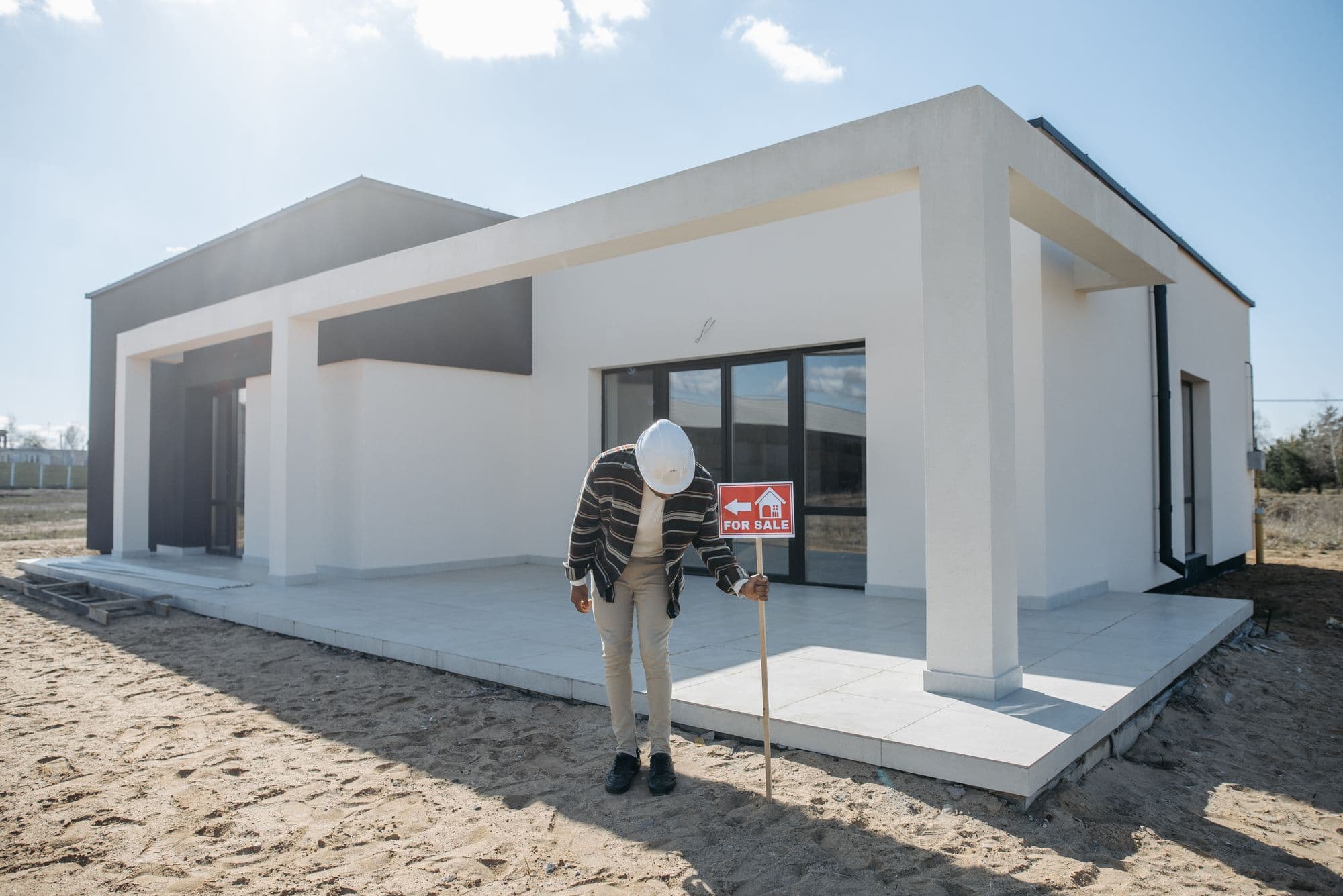
New Build Investment Properties in Queensland
FAA handles the sourcing, the numbers and the build coordination through to tenant placement.
Request new-build property options
Tell us the timing and budget you have in mind. FAA will come back with the new-build options that fit and what each one includes.
- Licensed Queensland Real Estate Agency
- Licence 4220395
- Builder Warranties
- Build Coordination
General information only. Not financial advice. Depreciation benefits depend on individual circumstances.
Most Queensland new builds take 6 to 12 months, so one signed now finishes around the time negative gearing on residential property is limited to new builds, from 1 July 2027. Treasury says new builds keep negative gearing before and after that date. What legally counts as a new build went to consultation that closed on 21 August 2026, and the draft test is acquisition within 24 months of a certificate of occupancy.
Last reviewed 10 September 2026. Treasury's consultation on the new-build definition closed on 21 August 2026 and its draft test is published; this page gets updated again when the final definition becomes law.
THE 2026 TAX CHANGE
Negative gearing after 1 July 2027, and where a new build sits
If you're weighing an established property against a new build, the tax rules under that choice moved in June. The Treasury Laws Amendment (Tax Reform No. 1) Act 2026 (No. 49, 2026) received Royal Assent on 26 June 2026, so it's already law. The Federal Register of Legislation gives its Schedule 2 the title "Limit negative gearing for residential property to new builds", and those are the legislature's words rather than ours.
Take an established residential investment property bought after Budget night, 12 May 2026. From the 2027-28 income year, the losses on it can only be deducted against other income from residential property, including capital gains. Anything left over carries forward to later years. Those losses stop coming off your salary and wait for residential property income to absorb them.
Property you held before that moment is grandfathered. The Treasurer put it plainly in the second reading speech: properties held at announcement will be allowed to be negatively geared in future years until sold. Which group you're in turns on that timestamp, so have your accountant confirm your acquisition date.
The new-build carve-out is what brings most people to this page. Treasury's published line is that new builds can continue to be negatively geared before and after 1 July 2027. You'll see it quoted on most pages selling new builds. The sentence that rarely comes with it: what legally counts as a new build still isn't final. Treasury's Tranche 2 consultation on the capital gains tax and negative gearing legislation closed on 21 August 2026, and its draft materials do now set a test: a property that genuinely adds to housing supply, acquired within 24 months of a certificate of occupancy being issued, extended from the 12 months announced in the Budget. What's law is the principle. What's still in draft is that qualifying test, because Treasury has said the final definition and exemptions go in the primary legislation.
The same Act carries a second change, in Schedule 1, on the same date: the 50% capital gains tax discount for individuals, trusts and partnerships gives way to cost base indexation and a 30% minimum tax rate on gains accruing after 1 July 2027. We've set that out on the negative gearing changes page.
What's settled
It's law, not a proposal
The Treasury Laws Amendment (Tax Reform No. 1) Act 2026 is Act No. 49 of 2026. Royal Assent, 26 June 2026.
The limit starts 1 July 2027
It applies from the 2027-28 income year.
The cut-off is a timestamp
7:30pm AEST on 12 May 2026, Budget night. It's a moment on the clock rather than a financial year, so your acquisition date is the one to have confirmed.
Where the quarantined losses go
For established residential property bought after the cut-off, losses come off other residential property income, including capital gains, and the excess carries forward.
This income year is untouched
Interest on a residential rental is deductible the way it has been.
What isn't
What legally counts as a new build
Treasury's Tranche 2 consultation on the capital gains tax and negative gearing legislation opened on 4 August 2026 and closed on 21 August 2026. Its draft test is acquisition within 24 months of a certificate of occupancy. Until the final definition is legislated, that test can still move.
Whether one specific property passes that test
Nobody can confirm that today, us included. The test exists only as a draft, and the final definition goes in the primary legislation, so it can still move.
What the change does to your own return
That depends on your income and your structure. A registered tax agent answers it. FAA gives no personal financial, tax or SMSF advice.
One more thing, and it belongs next to the argument rather than in the fine print. FAA Property earns commissions from builders and developers when a property purchase proceeds. This change puts new builds in the advantaged category, and new builds are what we sell. Because we're paid by the supply side, you should weigh our recommendations with that in mind. The strategy session itself costs you nothing.
Office hours: Monday to Thursday 8:30am to 5:00pm, Friday 8:30am to 4:00pm
Why New Builds for Investment

Depreciation Rules
Capital works on a residential rental where construction started after 15 September 1987 are deductible at 2.5% a year across 40 years, but only once construction is finished and while the property is rented or genuinely available for rent on commercial terms. Deductions for second-hand depreciating assets in a residential rental are generally unavailable, and newly built residential property acquired from a developer is an exception to that. What either rule comes to on your return is a registered tax agent's question.

Builder Warranty Protection
QBCC's Queensland Home Warranty Scheme covers structural defects for 6 years and 6 months, counted from the earliest of the day the premium is paid, the day the contract is entered into or the day work starts, so the clock does not start at handover. A claim must be made within 3 months after the day you first become aware of the structural defect. Non-structural cover runs 6 months from the day the work is substantially complete, with the claim due within 7 months of that day.

Tenant Appeal
Modern layouts, energy-efficient appliances and current finishes attract quality tenants faster. New properties tend to lease quicker and may support higher weekly rent.

Energy Efficiency
Current building codes require higher energy ratings. Better insulation, efficient hot water and lower power bills make the property more attractive to tenants.

Construction Oversight
FAA coordinates the build from deposit to handover. You get progress updates at each stage without having to chase the builder yourself.

What FAA Handles for You
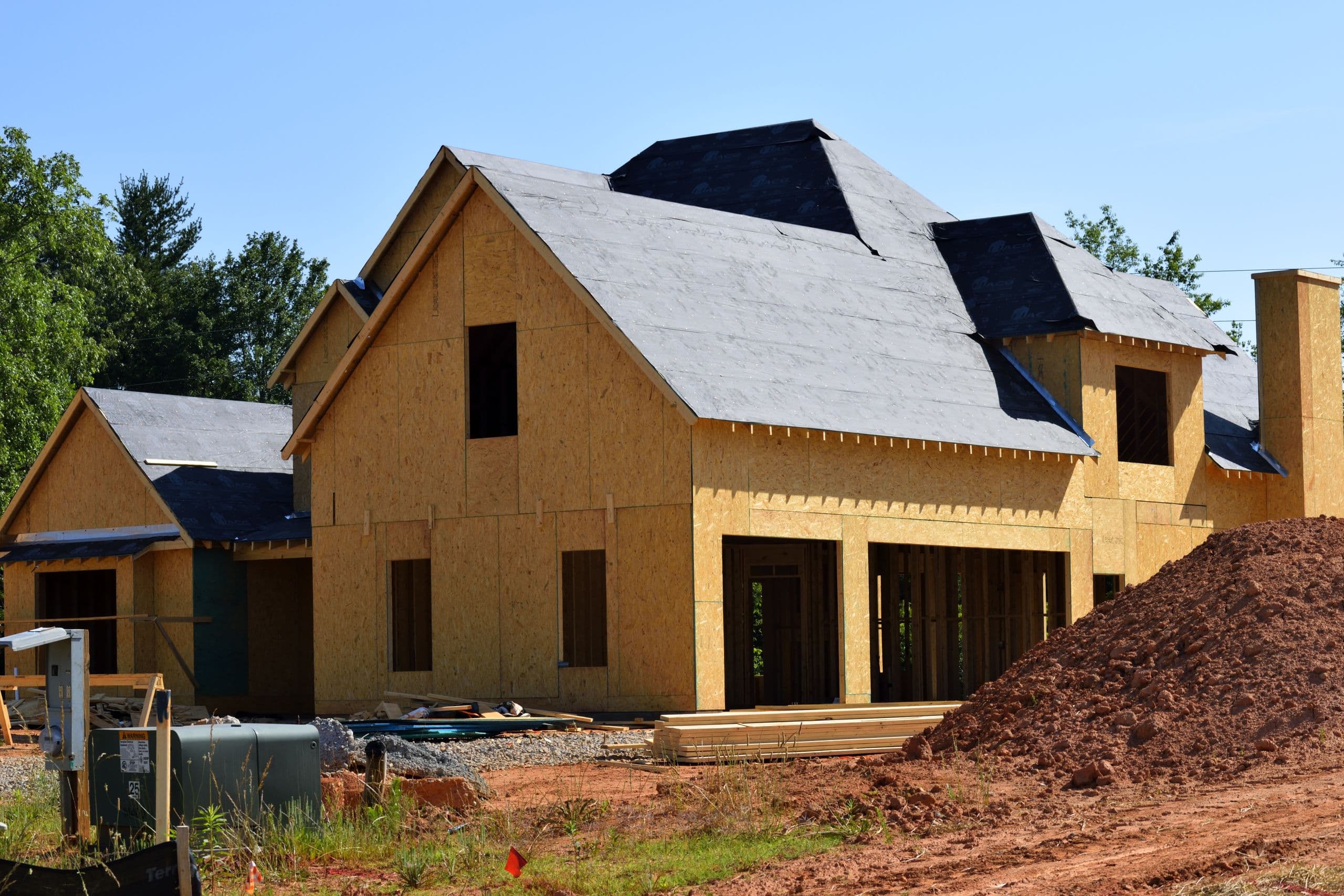
Buying a new build involves property sourcing, construction coordination, leasing and management. FAA sources the property and coordinates the build, and property management is provided on the Sunshine Coast.

Property Sourcing
FAA sources new-build opportunities from vetted builders in Queensland growth corridors.

Numbers and Cost Analysis
Cash flow, weekly holding cost, rental projection and 10/20-year growth scenarios. All modelled before you commit.
Where Finance Sits
Financial advice and credit sit with other FAA Group companies, not FAA Property. Usable equity and borrowing capacity are assessed by a lender or broker.

Build Coordination
Progress updates at each construction stage, payment coordination and quality oversight. You don't have to manage the builder.

Tenant Placement
FAA starts leasing and tenant screening before handover so you're earning rent as soon as possible after completion.

Property Management
Ongoing management from FAA's Maroochydore office. Inspections, maintenance, compliance and rent collection handled locally.
Office hours: Monday to Thursday 8:30am to 5:00pm, Friday 8:30am to 4:00pm
BUILD PROCESS
The Six Stages of Construction
Knowing what happens at each stage helps you plan your cash flow and avoid surprises during construction.
Deposit
You sign the build contract and pay the initial deposit. FAA reviews the contract and inclusions with you before you sign anything.
Slab
Site preparation, footings and concrete slab poured. Your lender releases the first progress payment once it's certified.
Frame
Walls, roof trusses and window frames go up. Second progress payment is released by your lender.
Enclosed
Roofing, cladding, windows and doors installed. The building is weather-tight and internal work begins.
Fixing
Plumbing, electrical, cabinetry, tiling and painting. The house starts looking like a house.
Final
Practical completion inspection, any defects fixed, keys handed over. FAA begins the leasing process.
Office hours: Monday to Thursday 8:30am to 5:00pm, Friday 8:30am to 4:00pm
DATES TO HOLD IN WRITING
Put your build dates next to the policy dates
Every stage above is a date. Contract, slab, frame, enclosed, fixing, final. The policy has dates too: the 7:30pm AEST 12 May 2026 acquisition trigger, which has passed, and the 2027-28 income year the limit starts in. Putting the two lists side by side is worth doing, and so is holding your own dates in writing rather than in an email.
Most Queensland new builds run 6 to 12 months from contract to practical completion, and that moves with the builder, the location and how complex the build is. On that range, a build contracted in August 2026 reaches practical completion somewhere between February and August 2027.
What those dates can't do is settle the tax question. Anyone signing a build now is buying after the 12 May 2026 trigger, so what decides the position is whether the property counts as a new build rather than established residential, and that qualifying test is still a draft. No completion date answers it early, and neither can we.
FAA coordinates the build from deposit to handover and sends progress updates at each stage, so the dates get tracked rather than assumed. What any of it does to your own return is a question for a registered tax agent.
Your build dates are sitting in an email rather than in the contract
Build timelines get quoted in conversation and firm up later. Most Queensland new builds run 6 to 12 months from contract to practical completion.
The limit starts in the 2027-28 income year, and whether a property is treated as a new build turns on a qualifying test that is still a draft. Whatever the final test asks for, contract date, settlement date and expected practical completion are facts you want to be able to show rather than recall.
FAA reviews the build contract and inclusions with you before you sign anything, which is the point to get the stage-by-stage timeline in writing.
You already own an investment property and don't know whether this reaches you
The exemption is set by a timestamp, 7:30pm AEST on 12 May 2026, rather than by a financial year.
Property held before that moment can keep being negatively geared in future years until it's sold. Property bought after it, where it's established residential, moves onto the new treatment from 2027-28.
Take the contract to your accountant and have them confirm the acquisition date. FAA gives no personal tax advice.
You're diarising the handover date and nothing else
The Queensland Home Warranty Scheme covers structural defects for 6 years and 6 months from the cover commencement day: the earliest of paying the premium, agreeing to a contract, or work starting. Handover is not among them. Cover may be extended where the work runs longer than 6 months. A structural defect claim is due within 3 months of first becoming aware.
Non-structural defects run on a separate clock that starts at the day the work is substantially complete, not at the cover commencement day. Cover applies only if you become aware within 6 months of that day, and the claim is due within 7 months of it. Two dates to diarise, not one.
FAA reviews the contract at the deposit stage and coordinates through to the practical completion inspection, where defects get raised.
You want confirmation that the property qualifies as a new build before you sign
The qualifying test is drafted but not final. Treasury's Tranche 2 consultation opened on 4 August 2026 and closed on 21 August 2026.
Treasury's published position is that new builds can continue to be negatively geared before and after 1 July 2027, so the test is the part that decides whether a property is in that group.
We tell you what's published and what isn't, and this page gets updated when the rules update. Ask your accountant to check the specific property against the draft test as it stands, and again once the final definition is legislated.
You need to know what all this does to your own return
The rule is public. Its effect depends on your income, your structure and the property.
A tax outcome is personal, and FAA gives no personal financial, tax or SMSF advice.
FAA Property Pty Ltd is a licensed Queensland real estate agency, Office of Fair Trading licence 4220395, current to 5 June 2027, and that licence covers acting for you in a property purchase. A registered tax agent covers your return.
The dates only tell you where a purchase sits in the calendar. They say nothing about whether you can carry it. Holding cost, rent, deposit and repayments are the part you can test before you sign, and FAA models all four on a specific build before you commit. Ask for that on the enquiry form at the top of this page, then take the numbers and your contract dates to your accountant.
Office hours: Monday to Thursday 8:30am to 5:00pm, Friday 8:30am to 4:00pm
Find out if a new build works for your budget and goals
THE FAA INVESTMENT PATHWAY
The FAA New Build Investment Pathway
Your path, step by step.
Strategy Session
We map your goals, timeline and risk comfort to find the right investment path.
Lender or Broker Assessment
Usable equity and borrowing capacity are assessed by your lender or broker, not by FAA Property.
Property Sourcing
Access selected new-build and investment-grade opportunities across Queensland.
Numbers Modelled
Cash flow, holding costs and growth scenarios modelled on a specific property before you commit. Tax and depreciation outcomes are a registered tax agent's question.
Build / Settlement Support
We coordinate builders, conveyancers and lenders through to handover.
Tenant Placement
Thorough screening, professional leasing and fast placement to start your returns.
Property Management
Local Sunshine Coast management covering inspections, maintenance and compliance.
- Routine inspections and condition reporting
- Maintenance coordination with vetted contractors
- Rent arrears monitoring and escalation
- Annual rent reviews based on market data
Result: An investment property sourced to your strategy.
Office hours: Monday to Thursday 8:30am to 5:00pm, Friday 8:30am to 4:00pm
EXPLORE
Related Investment Pages
Investment Property Sourcing
See all the property types FAA sources for Queensland investors.
Learn moreHouse & Land Packages
The land price and the build contract price are both set before you sign. Site costs, upgrades and variations are quoted separately.
Learn moreSMSF Property Investment
Buying a new build through your super fund? Understand the rules first.
Learn moreUse Equity to Invest
Your home equity might cover the deposit on a new build. Usable equity is assessed by a lender or broker.
Learn moreBook a Strategy Call
Talk to FAA about new build options. No cost, no obligation.
Learn moreNew Build Investment Property on the Sunshine Coast
The same tax change read against the Sunshine Coast's declared growth areas.
Learn moreNegative Gearing Changes Explained
The dates, the grandfathering rule and the parts still in draft, on one page.
Learn moreWhat Is Negative Gearing in Australia
Start here if the term is new to you. It walks through what negative gearing means, with an example.
Learn moreInvestment Property Depreciation Schedules
How a depreciation schedule works, who prepares one, and what the ATO rules allow on a residential rental.
Learn moreOffice hours: Monday to Thursday 8:30am to 5:00pm, Friday 8:30am to 4:00pm
New Build Investment: Frequently Asked Questions
Most new-build homes in Queensland take 6 to 12 months from contract to practical completion. The timeline depends on the builder, location and build complexity. FAA gives you progress updates throughout.
They're staged payments released by your lender at key construction milestones: slab, frame, enclosed, fixing and final completion. You don't pay the full amount upfront. Your lender releases funds as each stage is completed and certified.
No. FAA coordinates with the builder and sends you progress updates and photos. Many FAA investors are interstate and manage the whole build remotely.
It depends on the property and its inclusions, and we don't put a number on it. The rules behind it are published: capital works are deductible at 2.5% a year across 40 years where construction started after 15 September 1987, and only once construction is finished and while the property is rented or genuinely available for rent. Depreciating assets are a separate deduction with their own new-build exception, because deductions for second-hand assets in a residential rental are generally unavailable. What any of it comes to on your return is a registered tax agent's question, not ours.
Outright, yes, if the fund meets SMSF compliance requirements. Borrowing to do it is the part that changed. A limited recourse borrowing arrangement entered into on or after 10 August 2026 to buy real property can only acquire business real property, so a new LRBA over residential investment property is no longer available, whoever the lender is. Existing LRBAs keep running and can be refinanced, and a binding contract exchanged before 10 August 2026 sits outside the change even where settlement or the LRBA happens later. FAA sources compliant new-build properties and connects you with specialist SMSF advisers. See the SMSF property investment page for more detail.
No, it's being limited. From the 2027-28 income year, losses on established residential property bought after 7:30pm AEST on 12 May 2026 can only be deducted against other residential property income, including capital gains, and any excess carries forward. The Act behind it, the Treasury Laws Amendment (Tax Reform No. 1) Act 2026, received Royal Assent on 26 June 2026.
Treasury's published line is that new builds can continue to be negatively geared before and after 1 July 2027. The catch is the definition. The consultation closed on 21 August 2026 and the draft test is acquisition within 24 months of a certificate of occupancy, but the final definition goes in the primary legislation, so nobody can confirm today that a particular house and land contract passes it. Have your accountant check the specific property against the test as it stands.
It turns on one date. Property held before 7:30pm AEST on 12 May 2026 is grandfathered and can keep being negatively geared in future years until it's sold. Your accountant is the one to confirm your acquisition date. Buying again is a separate question, and it's the one this page is about.
That isn't final yet and we're not going to guess past it. Treasury's Tranche 2 consultation opened on 4 August 2026 and closed on 21 August 2026, and its draft test is acquisition within 24 months of a certificate of occupancy, so the qualifying test can still move before it is legislated. Schedule 2 of the Act carries the heading "Limit negative gearing for residential property to new builds", which names the category the limit is drawn around. The test for getting into that category is the part still being drafted.
Office hours: Monday to Thursday 8:30am to 5:00pm, Friday 8:30am to 4:00pm
Sources on this page
Treasury
Treasury Laws Amendment (Tax Reform No. 1) Act 2026, Schedules 2 and 5
Assent 26 Jun 2026
ATO
Australian Taxation Office, negative gearing and capital gains tax measures, capital works and depreciating assets
Read 12 Aug 2026
Treasury
The Treasury, negative gearing and new builds
Read 12 Aug 2026
Treasury
Consultation c2026-792170, Tranche 2 draft legislation, new-build definition
Closed 21 Aug 2026. Read 10 Sep 2026
QBCC
Queensland Home Warranty Scheme, cover and claim time limits
Read 16 Sep 2026
General information only. FAA Property does not provide personal financial advice. Depreciation benefits, tax outcomes and growth projections depend on individual circumstances and are illustrative only. Construction timelines are estimates and may vary. You should seek independent financial, tax and legal advice before making any investment decision. FAA Property earns commissions from builders and developers when a property purchase proceeds.
Office hours: Monday to Thursday 8:30am to 5:00pm, Friday 8:30am to 4:00pm
RESOURCES
From the Blog
Guides, insights and market updates for Queensland investors.





Office hours: Monday to Thursday 8:30am to 5:00pm, Friday 8:30am to 4:00pm
Ready to see the numbers on a new-build investment?