
Why Sunshine Coast Investors Choose FAA Property in Maroochydore

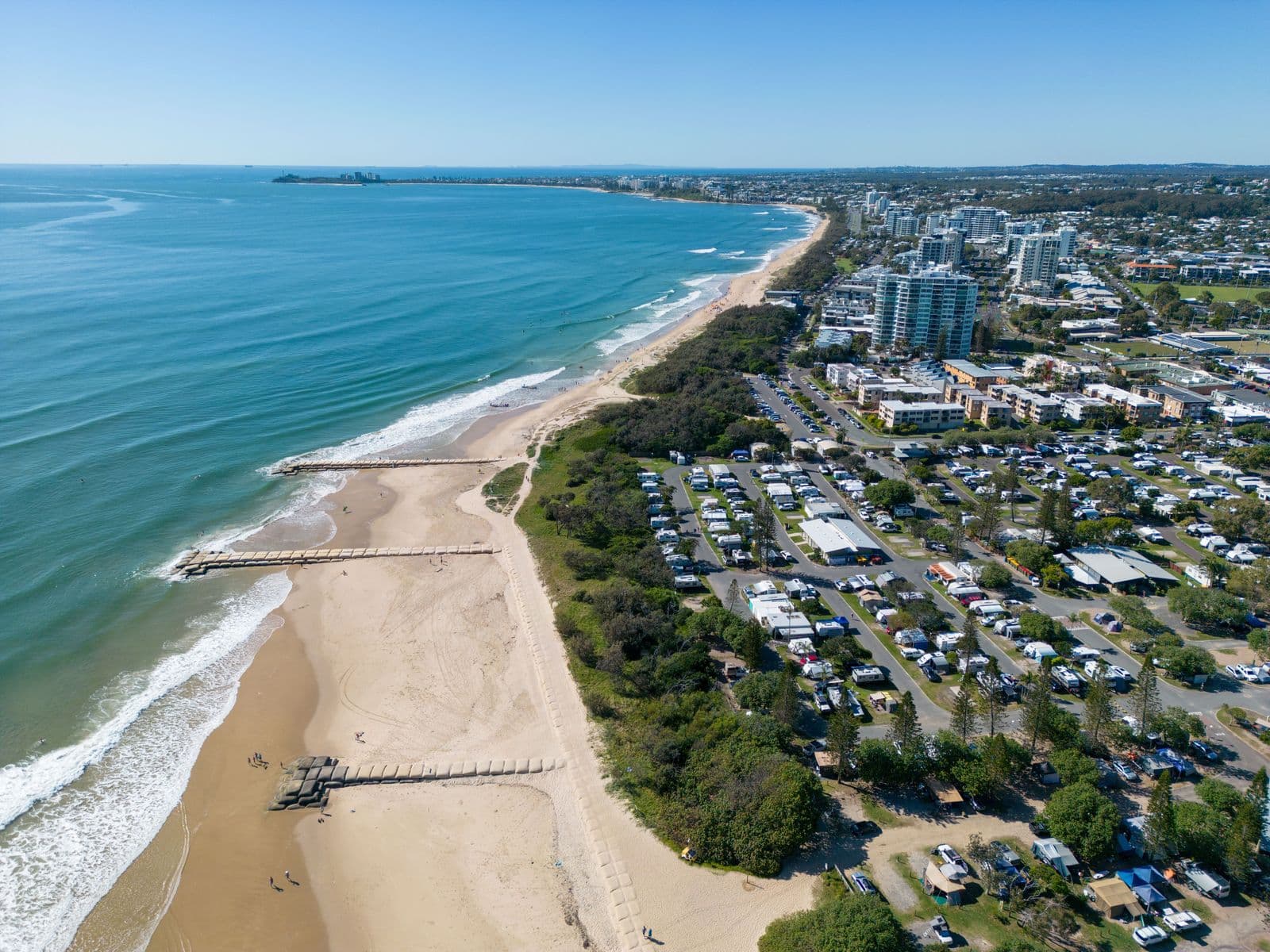
The Sunshine Coast property market has changed a lot over the past ten years. Population growth, big infrastructure projects, and people rethinking where they want to live have turned suburbs from Mooloolaba to Palmview into genuine performers for rental yields. Here's the thing, though. Owning an investment property here and actually managing it well? Completely different ball games.

That's exactly why investors both local and interstate come to FAA Property. We're based at Suite 3 7, Level 5, Tower 2, 55 Plaza Parade, Maroochydore QLD 4558, right in the commercial heart of the Sunshine Coast. We're not some remote call centre. Not a franchise bolted onto a national brand, either. Our team is on the ground, in this market, every single day.

More Than a Property Manager A Full-Service Partner

Most agencies handle rent collection, maintenance calls, and lease renewals. We do all that too. But honestly, our value goes a lot deeper than the basics. FAA Property sits within the wider FAA Group so our clients can tap into finance, accounting, tax advice, cash flow management, retirement planning, and estate planning. All under one roof.

Think about what that means if you're building a portfolio across Sunshine Coast suburbs like Mountain Creek, Meridan Plains, or Bells Creek. Instead of juggling a property manager, an accountant, a mortgage broker, and a financial planner separately, you've got one connected team who actually understands how every piece fits together. That's a real advantage.

Transparent Communication as Standard

We hear the same story over and over from landlords who switch to us. Their old manager was hard to reach. Slow to report. Reactive instead of proactive. Sound familiar?

Our approach is different. Regular updates, direct access to your property manager, and an owner portal that gives you real-time visibility into how your property's performing. You shouldn't have to chase people for answers whether you live in Maroochydore or you're managing your Sunshine Coast investment from Sydney or Melbourne. That's a baseline expectation with us, not some premium add-on.

Property Management Services Across Sunshine Coast Suburbs

FAA Property manages residential properties across the Sunshine Coast and the broader South East Queensland corridor. Our heaviest concentration? Right here in the Sunshine Coast region suburbs like Palmview, Nirimba, Mooloolaba, Twin Waters, Mountain Creek, and Maroochydore itself. But we also reach into growth corridors including Narangba, Yarrabilba, and Spring Mountain.

End-to-End Management From Appraisal to Ongoing Care

Our full-service property management (https://faaproperty.net.au/services) model covers every stage of the rental lifecycle. Here's what that actually looks like in practice

Rental appraisal and pricing strategy

We dig into comparable properties in your suburb, look at current vacancy rates, and factor in seasonal demand patterns. The goal? A rental price that pulls in quality tenants without leaving money on the table.

Professional marketing and listing

Your property goes up across major portals with quality photography and descriptions that actually make people want to enquire. First impressions drive volume we treat every listing like it matters (because it does).

Tenant screening and selection

Thorough background checks are non-negotiable for us. Employment verification, rental history, reference checks, tenancy database searches the works. A rigorous process protects your asset and cuts the risk of arrears or damage.

Lease preparation and compliance

Queensland's residential tenancy legislation comes with specific obligations for landlords. We handle lease documentation, entry condition reports, bond lodgement, and ongoing compliance so you're never exposed to risk you could've avoided.

Rent collection and arrears management

Consistent cash flow matters. A lot. We monitor payments daily and jump on arrears immediately, following a structured process that's firm but professional.

Routine inspections

Regular property inspections catch maintenance issues early, confirm tenants are meeting lease terms, and give you documented evidence of your property's condition over time.

Maintenance coordination

We've built relationships with trusted local tradespeople across the Sunshine Coast. Repairs get handled efficiently and at fair pricing which protects your property's long-term value and keeps tenants happy.

Regular rent reviews

Markets shift. We run periodic rent reviews to make sure your property's keeping pace locally, and we'll recommend adjustments when the data backs it up.

Investment Goals

Tailored to Your Investment Goals

Not every landlord wants the same thing. Some investors are chasing maximum yield and don't mind shorter lease terms. Others care more about keeping a great long-term tenant and avoiding turnover. And some are getting a property ready for sale they need it looking its absolute best.

We shape our management approach around your specific goals. That personalised service? It's one of the big reasons investors with multiple properties across different Sunshine Coast suburbs choose to bring their whole portfolio to us.

What Sunshine Coast Landlords Need to Know Before Renting Out

So you've recently picked up an investment property on the Sunshine Coast or maybe you're thinking about turning your home into a rental. Either way, there are a few practical things worth getting your head around before you list.

Legislation Is Detailed

Queensland Tenancy Legislation Is Detailed

The Residential Tenancies and Rooming Accommodation Act 2008 governs the landlord-tenant relationship in Queensland. It covers everything. Bond handling, entry notice periods, smoke alarm compliance, water efficiency the list goes on. Get something wrong and you could face penalties, disputes, or claims through the Queensland Civil and Administrative Tribunal (QCAT).

A professional property management team handles these obligations as part of daily routine. For landlords trying to self-manage? The admin burden and legal exposure can pile up fast especially if you own multiple properties or live interstate.

Cost Segregation

Insurance, Depreciation, and Cost Segregation

Landlord insurance isn't legally required in Queensland. But operating without it? That's a risk most experienced investors wouldn't take. A solid policy covers malicious damage, loss of rent, and legal liability stuff that tenant bonds alone can't fully offset.

On the financial side, here's something we see a lot: Sunshine Coast investors who aren't making the most of depreciation as a tax strategy. A quantity surveyor's depreciation schedule can uncover claimable deductions on both the building structure and fixtures. For newer builds in suburbs like Palmview or Nirimba, those deductions can be pretty significant. Cost segregation studies more of a US term serve a similar purpose by accelerating depreciation on specific components, though in Australia it's typically handled through a tax depreciation schedule prepared under ATO guidelines. Talk to your accountant or the FAA Group's tax advisory team to make sure you're claiming everything you're entitled to.

Granny Flats and Secondary Dwellings

Granny Flats and Secondary Dwellings

We get this question all the time from Sunshine Coast property owners: is building a granny flat a good investment strategy? Short answer it can be. On larger blocks (common in suburbs like Mountain Creek or Meridan Plains), a secondary dwelling can meaningfully bump up your rental yield without the cost of buying a whole second property. But council approvals, setback requirements, and infrastructure charges all vary, so you've got to do your homework before committing. As a rough guide, construction costs for a well-built secondary dwelling on the Sunshine Coast typically sit between $1,500 and $2,500 per square metre depending on specification and site conditions.

Getting to FAA Property from Across the Sunshine Coast

Our office is centrally located in the Maroochydore CBD Suite 3-7, Level 5, Tower 2, 55 Plaza Parade, Maroochydore QLD 4558. Plaza Parade sits within the Maroochydore city centre precinct, which is going through major urban renewal right now and connects easily to the broader Sunshine Coast road network.

Access from Key Suburbs

From Mooloolaba

Quick drive south along Maroochydore Road or via the Mooloolaba Road roundabout. You're looking at roughly 5–8 minutes depending on traffic.

From Palmview and Meridan Plains

Head east via Claymore Road connecting to Maroochydore Road. About 15 minutes by car.

From Mountain Creek

Go north via Karawatha Drive to Maroochydore Road. Around 10 minutes in normal conditions.

From Twin Waters and Pacific Paradise

South along David Low Way, then connect to Aerodrome Road into the Maroochydore CBD. About 10–12 minutes.

From Caloundra and southern Sunshine Coast suburbs

Take Nicklin Way and then Maroochydore Road. Allow 20–25 minutes.

From Nambour and hinterland areas

Nambour Connection Road feeds directly into the Maroochydore precinct. Around 15–20 minutes.

Paid parking's available within the Plaza Parade precinct, and the Sunshine Coast Council's Maroochydore bus interchange is within walking distance if you're on public transport. Flying in? Sunshine Coast Airport (MCY) is roughly 15 minutes north of our office.

And look we work remotely with landlords and investors across Australia all the time. Phone consultations, video calls, digital document signing. You don't need to be physically here to get professional property management on the Sunshine Coast.

Common Questions from Sunshine Coast Property Investors

How much does professional property management cost on the Sunshine Coast?

Management fees on the Sunshine Coast typically range from 7% to 10% of collected rent, plus a letting fee (usually one to two weeks' rent) when a new tenant's placed. FAA Property offers competitive fee structures, and right now we're running a promotional offer three months with no management fee for landlords switching from another agency. But here's what we always say: the real question isn't what management costs.

It's what poor management costs you in vacancy, arrears, and deferred maintenance.

How much money do I need saved before getting into real estate investing?

For a first investment property in Australia, most lenders want a minimum deposit of 10% to 20% of the purchase price. Hit that 20% mark and you avoid Lenders Mortgage Insurance (LMI) which can add thousands to your upfront costs. Beyond the deposit, budget for stamp duty (unless you qualify for concessions), legal and conveyancing fees, building and pest inspections, and a cash buffer for those initial holding costs. On the Sunshine Coast, entry-level investment properties in growth suburbs like Yarrabilba or Narangba might start in the mid-$400,000s, while established Sunshine Coast suburbs will command higher price points.

Is it still worth getting into property investing in Australia starting from scratch?

Yes. But and this is important the strategy matters more than it used to. Interest rates have shifted, lending criteria have tightened, and purchase prices aren't what they were five years ago. Starting from scratch means being disciplined about saving a deposit, knowing your borrowing capacity inside out, and picking a property that performs from day one rather than banking on speculative capital growth. The Sunshine Coast remains a strong market thanks to sustained population growth, constrained land supply in coastal suburbs, and ongoing infrastructure investment. Buy well. Manage professionally. That's the formula.

What is the minimum down payment required for a first investment property?

Most Australian lenders require at least a 10% deposit for an investment loan. Twenty percent is the magic number if you want to dodge LMI. Some lenders do offer lower-deposit products for strong applicants, but you'll cop higher ongoing costs as a trade-off. The FAA Group's finance team can help you understand where you stand and structure your loan the right way.

How do I transition from part-time to full-time real estate investor?

This usually happens when your passive rental income net of all expenses covers your living costs, or when your portfolio equity lets you fund new acquisitions without relying on employment income. Most investors get there with somewhere between four and eight well-performing properties, though the exact number depends on your market, how much leverage you're carrying, and your personal expenses. Professional property management becomes absolutely essential at this scale. Your time's better spent on acquisition strategy than chasing plumbers.

What books or resources are recommended for beginner rental property investors?

For the Australian market specifically, The Armchair Guide to Property Investing by Ben Kingsley and Bryce Holdaway is a fantastic starting point very practical. Michael Yardney's Property vs Shares gives useful context if you're weighing up different asset classes. The Property Investment Professionals of Australia (PIPA) website publishes solid market research and investor sentiment data too. And for anything Sunshine Coast-specific, our team's always happy to chat about local conditions and what's actually working for investors right now.

Starting Out in Sunshine Coast Property Investment What to Expect

Thinking about your first investment property on the Sunshine Coast? Here's a realistic look at what the journey actually involves.

Local Market

Understanding the Local Market

The Sunshine Coast isn't one market. It's a collection of micro-markets each with different yield profiles, tenant demographics, and growth drivers. A unit in Maroochydore's CBD precinct attracts a completely different tenant than a four-bedroom house in Palmview. A beachside apartment in Mooloolaba? Different vacancy patterns again compared to a townhouse in Meridan Plains.

These nuances matter. And that's where local expertise makes a real, tangible difference. Our team can walk you through current rental demand, average days on market, and realistic yield expectations for specific suburbs the kind of data that generic online calculators just can't give you.

Investing When Starting Out

How People Afford Property Investing When Starting Out

The most common path for first-time investors in Australia is leveraging equity in an existing home. If you own a property with equity sitting above your current loan balance, a lender may let you use that as a deposit on an investment property. Don't own yet? Then it's the traditional route saving a cash deposit (typically 20% of the purchase price plus costs) while keeping a clean credit history and stable income.

SMSF property purchases are another option worth knowing about. Buying residential property through a self-managed super fund is allowed under strict rules, and it can be a smart strategy for building retirement wealth. FAA Property has specific experience with SMSF property sales, and the broader FAA Group can guide you through structuring these purchases correctly.

Building New vs. Buying Established

Building New vs. Buying Established

New construction on the Sunshine Coast whether that's a house-and-land package in a master-planned community or a townhouse in an emerging suburb comes with depreciation benefits that established properties simply can't match. Right now, construction costs on the Sunshine Coast generally run between $1,800 and $3,000 per square metre for residential builds. The exact figure depends on your builder, the finishes you choose, and how complex the site is.

Thinking bigger? For investors looking at something like acquiring land for a small apartment building, the capital requirements jump significantly. Land acquisition, demolition (if needed), council contributions, and construction can easily push past $2 million for a modest multi-unit project. That level of investment demands experienced guidance across finance, planning, and project management.

Matters from Day One

Why Professional Management Matters from Day One

Here's a mistake we see new investors make all the time: trying to self-manage their first rental to save on fees. Totally understandable. But it almost always costs more in the long run through poor tenant selection, maintenance that gets put off too long, rents sitting below market, and compliance slip-ups that could've been avoided.

Getting a results-driven property management team involved from the start sets the right foundation. At FAA Property, we treat your investment like it's our own because protecting your asset and maximising your returns isn't just a service we offer. It's our professional responsibility.

Ready to talk about property management on the Sunshine Coast? Or maybe you just want a no-obligation rental appraisal for a property you already own. Either way, reach out to our Maroochydore team at Suite 3-7, Level 5, Tower 2, 55 Plaza Parade. We work with first-time investors and experienced portfolio holders alike and every conversation starts with understanding what you're trying to achieve.

Frequently Asked Questions

How much does professional property management cost on the Sunshine Coast?

Management fees on the Sunshine Coast typically range from 7% to 10% of collected rent, plus a letting fee (usually one to two weeks' rent) when a new tenant is placed. FAA Property offers competitive fee structures and a promotional offer of three months with no management fee for landlords switching from another agency.

How much money do I need saved before getting into real estate investing?

Most Australian lenders require a minimum deposit of 10% to 20% of the purchase price. A 20% deposit avoids Lenders Mortgage Insurance (LMI). Beyond the deposit, budget for stamp duty, legal fees, inspections, and a cash buffer for initial holding costs. On the Sunshine Coast, entry-level investment properties in growth suburbs may start in the mid-$400,000s.

Is it still worth getting into property investing in Australia starting from scratch?

Yes, but strategy matters more than it used to. The Sunshine Coast remains a strong market due to sustained population growth, constrained land supply in coastal suburbs, and ongoing infrastructure investment. The key is buying well and managing professionally.

What is the minimum down payment required for a first investment property?

Most Australian lenders require at least a 10% deposit for an investment loan, though 20% is the threshold to avoid LMI. Some lenders offer products with lower deposits for strong applicants, but the trade-off is higher ongoing costs.

How do I transition from part-time to full-time real estate investor?

This transition typically happens when passive rental income, net of all expenses, covers your living costs, or when your portfolio equity allows further acquisitions without employment income. Most investors reach this point with four to eight well-performing properties. Professional property management becomes non-negotiable at this scale.

What books or resources are recommended for beginner rental property investors?

For the Australian market, The Armchair Guide to Property Investing by Ben Kingsley and Bryce Holdaway is a practical starting point. Michael Yardney's Property vs Shares offers useful asset class comparisons. The Property Investment Professionals of Australia (PIPA) website publishes market research and investor sentiment data.