

Planning law names the use. The title shows what you own. Here's how the three compare in Queensland, from the approval to the water bill.
By Kayla Dale, Senior Property Manager and Sales Agent, FAA Property. Last reviewed 7 October 2026. Checked against the RTRA Act and RTA guidance, 6 October 2026. Reviewed against QRO guidance, 6 October 2026. General information only. Not legal, tax or financial advice. Planning and title outcomes depend on the specific lot and its local planning scheme.
| Configuration | Titles | Approvals | Leases | Resale |
|---|---|---|---|---|
| Dual key (house form, or one apartment lot) | No set answer from the label, because dual key isn't defined in Queensland's planning regulation. Where the apartment form sits in a community titles scheme, check how many lots it is; every lot owner in the scheme is a body corporate member. | Ask which use it was approved or lawfully established as. Each part counts as a dwelling only if it has all five facilities the regulation lists. | Where each part is let to a separate tenant, each agreement can carry its own bond, capped at 4 weeks of its rent. Where the tenant shares the kitchen, RTA guidance on secondary dwellings says it may be rooming accommodation. | Where it's one lot, it sells as one unless that lot is reconfigured. |
| Dual occupancy | One lot, or two lots that share common property. | Mostly set by the local planning scheme, within limits in the state Planning Regulation. In Moreton Bay, for example, assessable development needs council approval. | Where each dwelling is let to a separate tenant, each agreement can carry its own bond, capped at 4 weeks of its rent. | One lot sells as one. Two lots usually sit in a scheme with a body corporate. |
| Duplex | Not defined in Queensland's planning regulation. Sunshine Coast's proposed scheme says each dual occupancy dwelling can have its own title, and gives the duplex as a common example. | Sunshine Coast's proposed scheme information sheet gives the duplex as a common example of a dual occupancy. Moreton Bay describes a traditional dual occupancy as two dwellings joined by a common wall. | As for dual occupancy: where each dwelling is let to a separate tenant, each agreement can carry its own bond, capped at 4 weeks of its rent. | Turns on whether it's one lot or two. |
| House with a secondary dwelling (the boundary case, for example a granny flat) | Part of the dwelling house use. Sunshine Coast's proposed scheme says it may not have a separate title. | The RTA says to get every relevant approval before renting it out. | Can generally be let to a tenant from outside the household since the 2022 change, unless its approval has an occupancy condition. | Goes with the house, because it's part of the dwelling house use. |
Only one of these three words, dual occupancy, is defined in Queensland's planning regulation. It means two dwellings, attached or detached, on one lot or on two lots sharing common property. Dual key and duplex aren't defined there. A main home paired with a subordinate companion counts as one dwelling house use, and dual occupancy excludes that pairing.
Queensland investors who want two rents from one purchase run into three words that get used as if they mean the same thing. They don't. Two of them, dual key and duplex, aren't defined in Queensland's planning regulation at all. So everything below works from what the regulation does define and what Queensland tenancy law says about letting two parts. No property is described and no rent or return figure appears, because each of those depends on the specific lot. If you'd like to know what's available, there's an enquiry link after the water section and again at the end.
Duplex and dual occupancy: two dwellings, attached or detached
Dual occupancy is a use of land. Two dwellings, on one lot or on separate lots that share common property. They can share a wall or stand apart. The definition covers both.
Duplex is a building word, and Queensland's planning regulation doesn't define it. Two council documents show where it fits.
City of Moreton Bay describes a traditional dual occupancy as a dwelling joined to the other by a common wall, though the two may be detached. They may share a driveway, though generally all other facilities are separate.
Sunshine Coast Council goes further in an information sheet on its proposed planning scheme. It gives a duplex as a common example of a dual occupancy, and says each dwelling can have a separate title and owners. That sheet speaks for a proposed scheme on the Sunshine Coast only.
So when a listing says duplex, ask which use it was approved or lawfully established as, and whether it sits on one lot or two.
Whether a dual occupancy is allowed is mostly set by the local planning scheme, within limits in the state Planning Regulation. Moreton Bay's sheet says dual occupancies aren't appropriate in every residential zone and precinct, and that assessable development needs council approval. Other councils write their own rules, so check the scheme for the lot you're looking at.
Three or more dwellings is a different use again, called a multiple dwelling.
Where a second dwelling stays part of the house
Queensland planning law has its own term for a second home on a lot that is subordinate to the main one. It's a secondary dwelling: a dwelling used with, but subordinate to, another dwelling on the same lot. A granny flat is the everyday example.
Subordinate is the test. Being attached to the main house doesn't change it. Neither does who lives there.
The regulation counts one main home together with one secondary dwelling as a single dwelling house use, and the dual occupancy definition expressly leaves out any use involving a secondary dwelling. So a lot carrying two homes can fall under either use. Which use it was approved or lawfully established as shapes what you're buying and how it's described when you sell.
The current wording comes from the Planning (Secondary Dwellings) Amendment Regulation 2022, which rewrote the definitions of secondary dwelling, household and dwelling house. It was notified on 23 September 2022. That day, the Queensland Government announced that owners can rent secondary dwellings to people outside the household. Older council material may still say 'for 2 households' in the dual occupancy definition, words the amendment dropped.
The government said it intended to review the change after three years. As at 6 October 2026, the in-force regulation still carries the 2022 definitions.
A second rent is only as solid as the approval behind it. The RTA says owners must get all relevant approvals, including development, building and council approvals, before renting out a secondary dwelling, and must meet smoke alarm and other safety rules. The Deputy Premier's statement of 23 September 2022 made the same point about fire and building provisions.
Dual key: does each side pass the five-facility test?
Here, dual key means one building split into two parts, each with its own lockable entry. Queensland's planning regulation doesn't define it. So read the label as a description of the floor plan, and ask the seller which use it was approved or lawfully established as.
Planning law looks at the parts. In planning terms, a part of a building only counts as a dwelling if it's a self-contained residence with all five of these:
- somewhere to prepare food
- a bath or shower
- a toilet
- a wash basin
- facilities for washing clothes
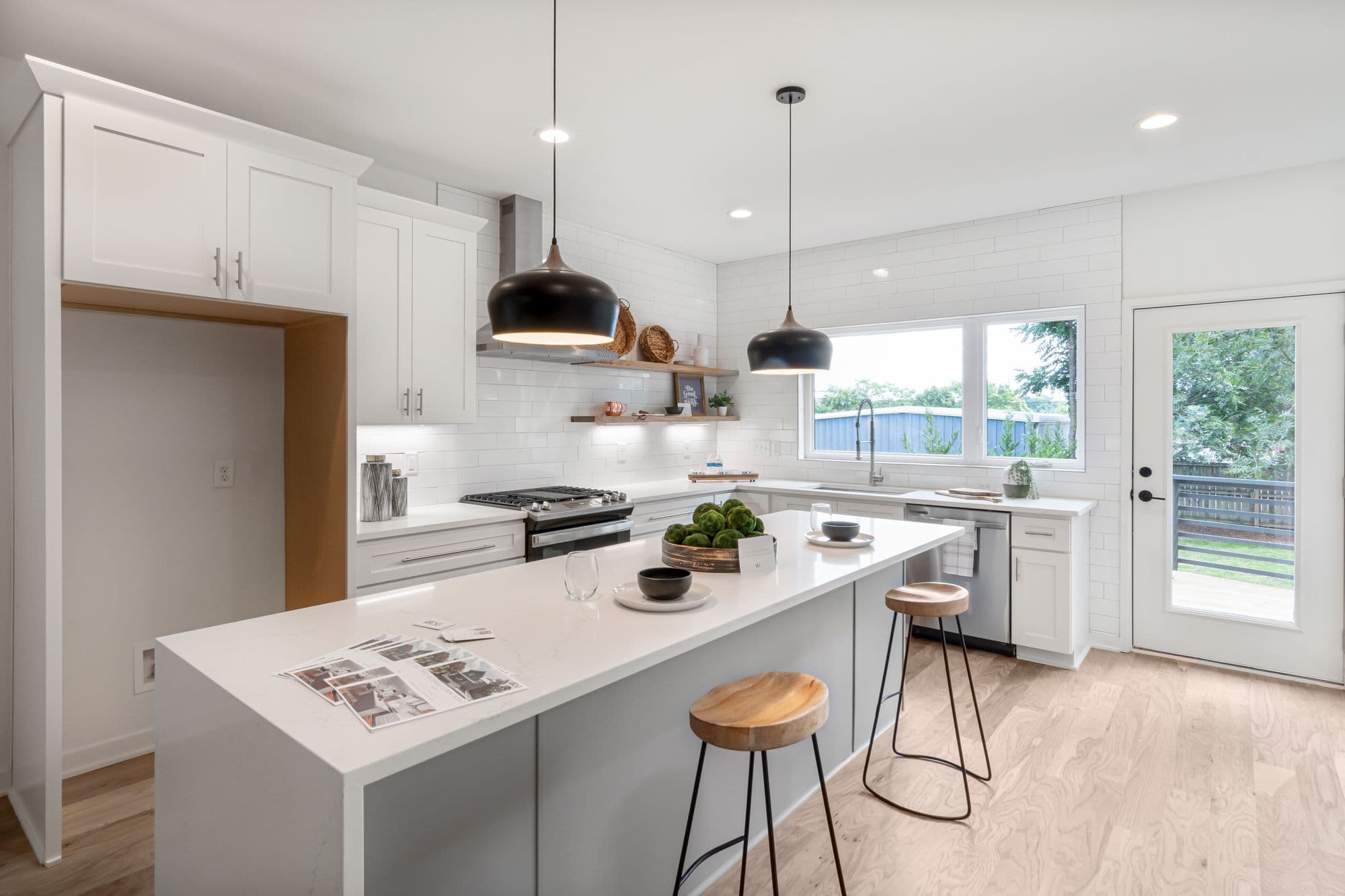
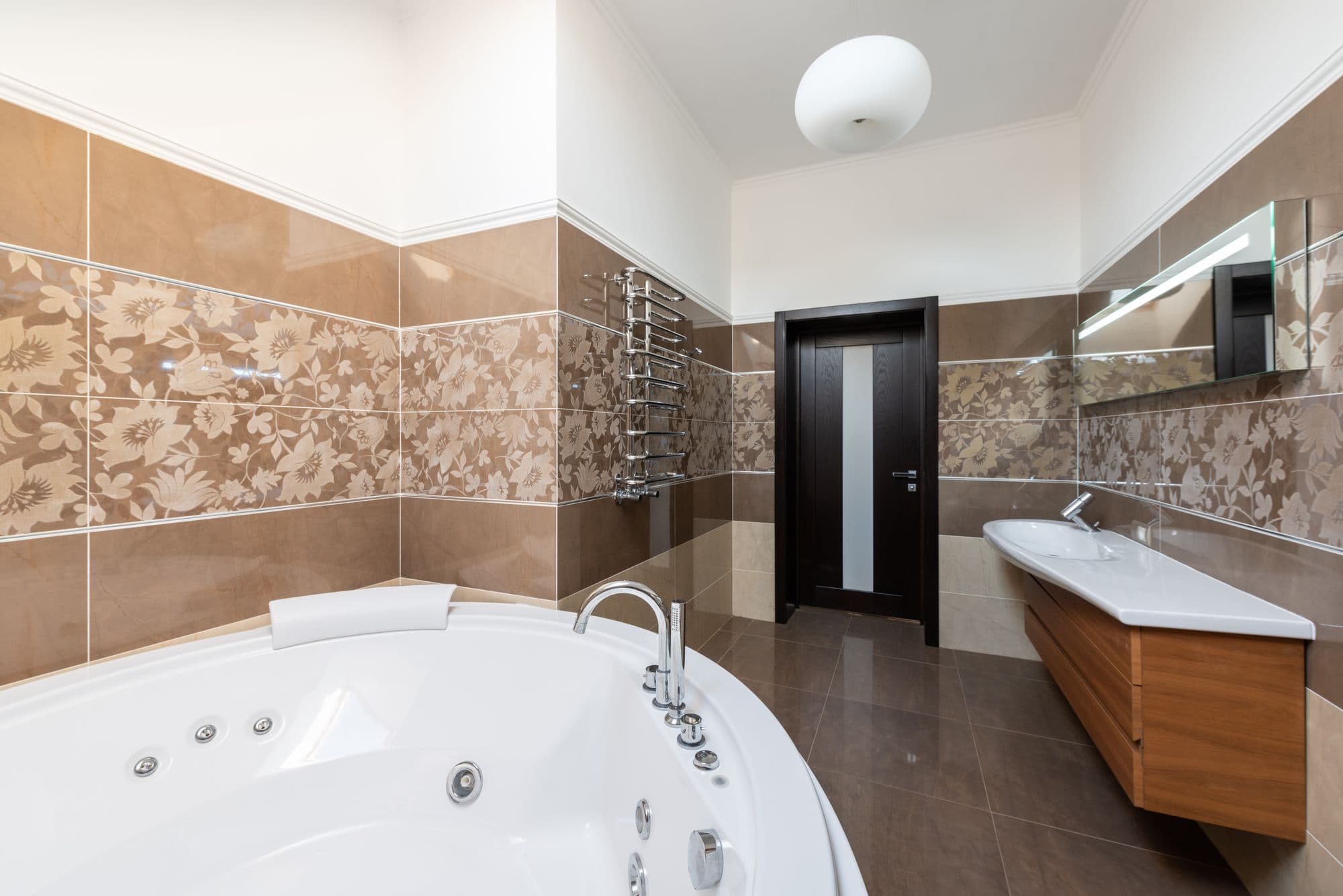
A smaller side with a kitchenette but no laundry may not meet that list, and on that reading it wouldn't be a second dwelling. If both sides do meet it, the next question is which use it was approved or lawfully established as: a dual occupancy, or a house with a secondary dwelling.
Some dual-key homes are apartments. Where the apartment is a lot in a community titles scheme, its owner is a member of that scheme's body corporate, along with every other lot owner. By-laws are the rules a body corporate makes to control common property such as driveways, car parks and pools. Read them before you count on two tenancies.
Water can work differently there too. The RTA says multi-residential properties may use sub-meters to measure each residence's use. Levies and how a scheme runs are covered in our guide to strata vs body corporate.
One title or two is a separate question
An approval covers how the land is used. Ownership comes down to lots: how many there are, and which one you'd be buying.
A dual occupancy can sit on a single lot. Turning that lot into two is reconfiguring a lot under the Planning Act 2016, which includes creating lots by subdividing another lot. That's its own development step. Whether a particular lot can be split depends on the lot and its planning scheme, so the listing can't answer it. Our guide to subdividing land in Queensland walks through the process.
Where two lots share common property, they usually sit in a community titles scheme. A body corporate is created with it, and its members are the owners of every lot in the scheme.
Ownership also feeds into land tax. Land tax is an annual state tax on freehold land. When the Queensland Revenue Office adds up the land you own, it leaves out your home but counts investment properties and lots in a body corporate scheme. The QRO sets the thresholds and rates. Check your own position with them.
Reviewed against QRO guidance, 6 October 2026. General information only, not tax advice.
Two tenancies on one purchase: agreements and bonds
Two rents means two tenancies. Each one has its own paperwork.
The RTA's guidance on secondary dwellings shows how the layout picks the agreement. A part let as a self-contained unit, where the tenant has no access to the main house, takes a general tenancy agreement (Form 18a). If the tenant shares the kitchen or other facilities, it may be a rooming accommodation agreement (Form R18) instead. That guidance is written for secondary dwellings. On a dual-key layout, the same question applies to any shared laundry or kitchen.
The address needs care. The RTA says the agreement should list the main property's address unless the council has issued a separate one for the second dwelling, and should spell out which part is rented.
Bonds follow each agreement. The maximum bond is 4 weeks of the rent payable under that agreement. The RTA says the cap applies to all bonds, whatever they're called and however many are taken. Put those together and two separate agreements can mean two bonds, each capped at 4 weeks of its own rent, and any bond taken must be lodged with the RTA within 10 days.
Electricity and gas need a written split. For a secondary dwelling that isn't individually metered for those services, the RTA says the agreement should set out how the tenant's share is worked out. Without those terms, the owner can't charge for them.
Water: what each tenant can be charged
Water is where two rents on one purchase can quietly cost the owner.
Under section 166 of the Residential Tenancies and Rooming Accommodation Act 2008, a tenant can be required to pay water consumption charges only if the premises are individually metered and the agreement says the charge is payable, along with other conditions.
Individually metered has a set meaning. The meter has to be installed or approved by a supply authority, and it has to measure the supply to those premises only. A meter the owner fitted privately doesn't count unless the water supplier installed or approved it. So the first question on any two-tenancy property is short. Does each part have its own meter, and who put it there?
If one meter serves both parts, neither part is individually metered, and the owner carries that water use.
Meters alone aren't enough. A tenant can be charged for all water use only if the premises are water efficient. If they aren't, the owner pays for a reasonable amount and the tenant can be charged for the excess.
Some costs never pass on. Sewerage charges can't be passed to a tenant, and the owner pays all fixed charges for water supply, including access charges. Whether a second meter brings a second set of fixed charges depends on the water supplier. Ask them before you rely on the numbers.
Timing counts too. Where a tenant pays for water, the owner must give them a copy of the bill within 4 weeks of receiving it, and if that doesn't happen the tenant doesn't have to pay. Two metered tenancies means two bills on that clock. In buildings with sub-meters read by the owner or manager, charges must be passed on within 4 weeks of the original bill.
These rules are current. The water section was amended in 2024, and a new section 166A covers part billing periods using a meter reading recorded in the entry or exit condition report. On a two-tenancy property, record each part's meter reading on its entry and exit condition reports.
Checked against the RTRA Act and RTA guidance, 6 October 2026
Looking at two rents from one purchase? Send an enquiry and ask what's available.
Request Dual-Income Property OptionsWhat to ask for before you make an offer
Each item below comes back to a document or a straight answer you can get from the seller's side before you commit.
Approval for each part: the second dwelling may not be approved for separate letting.
- Why it happens:
- The RTA says every relevant approval, including development, building and council approvals, must be in place before a secondary dwelling is rented out. Only the approval documents themselves can confirm that.
- Why it matters:
- The second rent depends on it.
- What you can do:
- Ask for the approval documents for each part, and check which use it was approved or lawfully established as: a dual occupancy or a house with a secondary dwelling.
Title search: the listing may not say whether it's one lot or two.
- Why it happens:
- Dual key and duplex aren't defined in Queensland's planning regulation, so the label doesn't settle it. A dual occupancy can be on one lot or two.
- Why it matters:
- One lot sells as one unless it's reconfigured. Two lots sharing common property usually come with a body corporate.
- What you can do:
- Get a current title search and read it alongside the approval.
Water meters: a tenant can't be charged for water use if their part isn't individually metered.
- Why it happens:
- The meter has to be installed or approved by the supply authority and measure that part only.
- Why it matters:
- Without it, the owner carries that part's water use.
- What you can do:
- Ask how many water meters there are, which part each one serves, and who installed them.
Water efficiency: even a metered part may not pass on all its water use.
- Why it happens:
- Full pass-on needs the premises to be water efficient.
- Why it matters:
- If a part isn't, the owner pays for a reasonable amount of that tenant's use.
- What you can do:
- Ask whether the fixtures in each part have been checked for water efficiency.
Address: two tenants can share one street address.
- Why it happens:
- Without a separate council address, the agreement lists the main property's address.
- Why it matters:
- Each agreement then has to say exactly which building or part is rented.
- What you can do:
- Ask whether the council has numbered the parts separately, and see any current agreements.
By-laws: in a community titles scheme, the scheme's rules apply.
- Why it happens:
- A body corporate makes by-laws to control common property such as driveways, car parks and pools.
- Why it matters:
- Every lot owner in the scheme is a member of the body corporate.
- What you can do:
- If the property is in a scheme, read the by-laws before you rely on two tenancies.
One more call before you buy: tell your insurer the property will be let as two tenancies, and confirm the policy covers that. Our page on investment property insurance in Queensland covers the basics.
Weighing up a property with two rents? Ask what's available. Our enquiry form takes dual income and dual key enquiries, and you can also request available house-and-land options, which FAA Property sources across South East Queensland. FAA Property Pty Ltd is a licensed Queensland real estate agency, licence 4220395. If you'd rather talk a purchase through first, request a strategy session. It costs you nothing. FAA Property earns a commission from builders and developers when a property purchase proceeds.
Dual key, dual occupancy and duplex questions
What does dual key mean in real estate?
On this page, dual key means one building split into two parts, each with its own lockable entry. Queensland's planning regulation doesn't define it. In planning terms, a part only counts as a dwelling if it has food preparation facilities, a bath or shower, a toilet, a wash basin and laundry facilities.
What is dual occupancy in Australia?
In Queensland, a dual occupancy is two dwellings, attached or detached, on one lot or on two lots that share common property. A house with a secondary dwelling, such as a granny flat, is left out of that definition. Three or more dwellings is a multiple dwelling. This answer covers Queensland's Planning Regulation 2017 only.
What are the disadvantages of double occupancy?
The main disadvantages are zoning, resale, paperwork and water costs. Moreton Bay says dual occupancies aren't appropriate in every residential zone. A single lot sells as one unless reconfigured. If each dwelling has its own tenant, each agreement can carry its own bond, capped at 4 weeks of its rent. The owner pays fixed water charges.
What are the pros and cons of buying a duplex?
The main pro is two dwellings from one purchase: Sunshine Coast's proposed scheme gives the duplex as a common example of a dual occupancy. The main con is uncertainty: the word duplex doesn't say whether it's one lot or two. Two lots sharing common property usually mean a community titles scheme, with a body corporate and by-laws.
Is dual occupancy worth it?
It depends on the specific property. Before any numbers, check the approval for each dwelling, whether it's one title or two, whether each part has a supply-authority water meter, whether you'd join a body corporate, and the paperwork for two tenancies. For the cash-flow side, see our guide to positive cash flow property.