
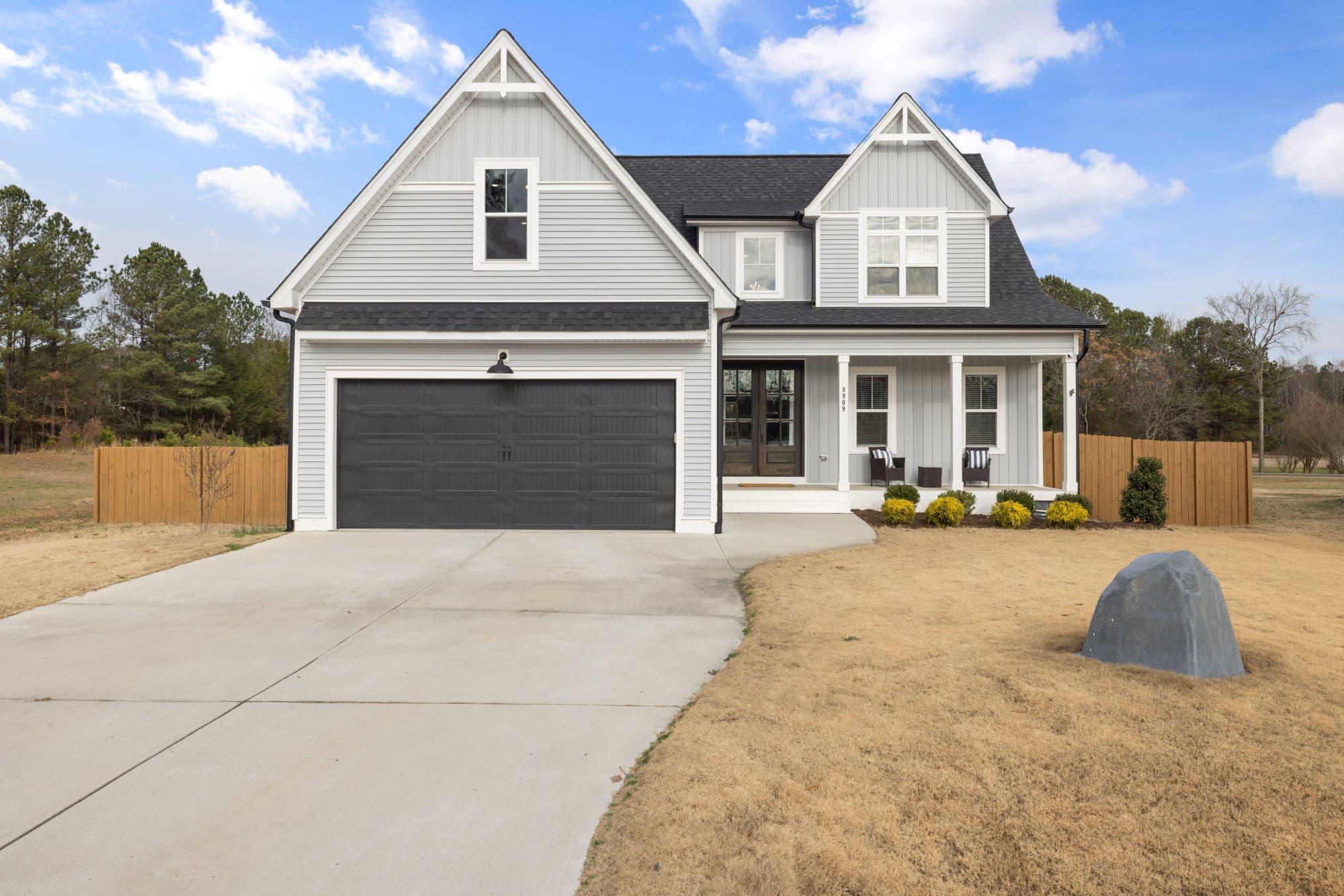
Dual-Income Investment Property in Queensland
Dual-key, dual occupancy and duplex are three different products with three different title arrangements, and the difference decides what you can finance, lease and sell. Tell us what you are after and FAA will come back on what is actually available.
Request dual-income property options
Tell us the location and budget you have in mind. FAA will come back with what is available and how each one is configured and titled.
- Dual-Key
- Dual Occupancy
- Duplex
- Title Checked First
General information only. Planning and titling outcomes depend on the specific lot and the local planning scheme. Not legal or financial advice.
THREE PRODUCTS, NOT ONE
Dual-Key, Dual Occupancy and Duplex
They get used interchangeably in advertising. They are not interchangeable in a contract, and the differences sit in the title, the entries and the metering.
Dual-key
- Shape
- One dwelling, two lockable parts
- Title
- Usually one title
- Entries
- Two entries, often off a shared landing or corridor
- Services
- Commonly one set of connections, metered once and apportioned
Because it is normally one lot on one title, you sell it as one property. The second income depends on the second part being lawfully able to be occupied separately, which is a question for the council and the body corporate, not for a floor plan.
Dual occupancy
- Shape
- Two dwellings on one lot, or sharing common property
- Title
- One lot, unless it is later subdivided
- Entries
- Two separate entries
- Services
- Can be separately metered, depending on how it was built
This is a planning term before it is a product term, and what a local planning scheme permits on a given lot is the whole question. Two dwellings of similar size and scale read as dual occupancy rather than as a house with a secondary dwelling.
Duplex
- Shape
- Two attached dwellings
- Title
- Often two titles, sometimes one
- Entries
- Two separate entries
- Services
- Usually separately metered
Whether the two halves are on one title or two changes what you are buying, how you finance it, and whether you can sell one half without the other. Ask for the title search before you ask for the rental appraisal.
Office hours: Monday to Thursday 8:30am to 5:00pm, Friday 8:30am to 4:00pm
WHAT THE REGULATION SAYS
Where the Line Is Drawn in Queensland

A secondary dwelling is subordinate, and that is the dividing line
Queensland's Planning Regulation 2017 defines a dwelling house at schedule 24. The Planning (Secondary Dwellings) Amendment Regulation 2022 replaced paragraph (b) of that definition with "2 dwellings, 1 of which is a secondary dwelling, and any domestic outbuildings associated with either dwelling". A house plus a subordinate second dwelling is still a dwelling house. Two dwellings of similar size and scale are not.

The same amendment removed "for a single household"
Paragraph (a) of the schedule 24 definition previously read as a dwelling used for a single household. The 2022 amendment removed that phrase. What that means for who may occupy the second dwelling is a question for the local planning scheme that applies to the lot, and schemes differ.

The planning label and the title are two separate questions
How a property is classified under a planning scheme does not tell you how it is titled, and the title is what you buy and sell. A lot can carry two lawful dwellings on one title. Ask for the title search and the approval documents as separate items.
Source: Planning Regulation 2017 (Qld), schedule 24, as amended by the Planning (Secondary Dwellings) Amendment Regulation 2022 (SL 2022 No. 133). Read from the instrument on 14 September 2026. Planning schemes are made by each council and differ, so confirm the position for the specific lot before relying on it.
Office hours: Monday to Thursday 8:30am to 5:00pm, Friday 8:30am to 4:00pm

WHAT IS NOT ON THIS PAGE
There are no property examples here, and there is a reason
The brief for this page asked us to lead with floor plans and property examples, with each component's rent and a combined income figure beside the expenses. We have not published any of that, because every number in it would be a claim about a specific property, and we are not willing to publish figures we cannot evidence line by line.
A combined income figure is the easiest number on a page like this to quote and the hardest to stand behind. It depends on two rents, two vacancy assumptions and a management cost that is not simply double the single-tenancy one. Quoted without the property behind it, it reads as typical when it is not.
So this page covers the part that is knowable in advance: what the three products are, what the regulation says, and the six documents worth asking for before you commit. For what is actually available and how each one is configured, the form is the fastest route to a specific answer.
Office hours: Monday to Thursday 8:30am to 5:00pm, Friday 8:30am to 4:00pm
Ask what is available, and how each one is titled
Six Things to Ask Before You Buy a Dual-Income Property
None of these are answered by a floor plan, and all six change what the property is worth to you.
The approval, not the floor plan
A floor plan shows two kitchens. An approval shows what the council permitted and on what conditions. They are not the same document and only one of them is enforceable.
The title search
One title or two changes the financing, the sale, and whether the halves can ever be separated. This is the first question, not the last.

How it is metered
Separately metered services can be billed to each tenancy. A single connection is apportioned, and the apportionment has to be set out in each agreement rather than assumed.

How it is leased
Two agreements or one changes what happens when one side falls vacant, who is liable for what, and how the bond is handled. Ask before you model the income.

Each component's rent, evidenced
Two rents quoted as one combined figure hide which side carries the return. Ask for each component separately, with the evidence behind each.

The vacancy case
The argument for dual income is that both sides rarely fall vacant at once. That is a claim about a specific property in a specific market, so ask for the figures rather than accepting the principle.
Office hours: Monday to Thursday 8:30am to 5:00pm, Friday 8:30am to 4:00pm
EXPLORE
Investment Opportunities

Investment Property
New Build
How new-build investment property works, including the warranty and depreciation rules.

Investment Property
House & Land
Land and build contract prices set before you sign, with site costs, upgrades and variations quoted separately.

Use Your Home Equity
Use Equity
Your home equity could become the deposit on your next investment property, subject to lender assessment.
Office hours: Monday to Thursday 8:30am to 5:00pm, Friday 8:30am to 4:00pm
Dual-Income Investment Property: Frequently Asked Questions
Dual-key is normally one dwelling on one title divided into two lockable parts with separate entries. Dual occupancy is a planning term for two dwellings on one lot. The practical difference is what you own and what you can sell: dual-key is one property, and dual occupancy may or may not be able to be subdivided later depending on the lot and the planning scheme.
Not in planning terms. Queensland's Planning Regulation 2017 treats a house plus a subordinate second dwelling as a dwelling house at schedule 24. Two dwellings of similar size and scale are a different thing. Whether the second dwelling can be let separately, and to whom, depends on the planning scheme that applies to that lot.
No. Two rents raise the income line and do not touch the cost line, which moves independently: build or purchase price, rates, insurance, management on two tenancies rather than one, and the loan. Whether a specific property is positively geared is arithmetic on that property's figures. FAA models the numbers on a specific property before anyone commits.
Only if the halves are on separate titles. Some duplexes are, some are not, and the marketing material is not where you find out. The title search answers it, and it should be the first document you ask for rather than the last.
Ask and we will tell you what is actually available rather than publishing a list that goes stale. This page deliberately carries no property examples, because we are not willing to describe stock we cannot evidence line by line. The enquiry form is the fastest way to a straight answer.
Office hours: Monday to Thursday 8:30am to 5:00pm, Friday 8:30am to 4:00pm
General information only. FAA Property does not provide personal financial, legal or planning advice. Planning classification, titling, approval conditions and what may be let separately depend on the specific lot and on the planning scheme made by the relevant council, and those schemes differ. Rental outcomes depend on the property and the market at the time. Seek independent legal, financial and planning advice before making any investment decision. FAA Property earns commissions from builders and developers when a property purchase proceeds.
Want to know what dual-income stock FAA can actually source?