
Capital works deductions are 2.5% of the original construction cost a year for 40 years where construction started after 15 September 1987, and 4% over 25 years for construction between 18 July 1985 and 15 September 1987. Plant and equipment is separate: if you bought an established residential property after 7:30pm on 9 May 2017, decline in value on previously used plant cannot be claimed at all. Capital works claimed reduces the property's CGT cost base by the same amount.
Last reviewed 3 September 2026.
Two deductions, and only one of them is usually available
Property depreciation is two separate things. Capital works, under Division 43, is the building itself: the structure, and fixed items like walls, roofing and built-in cabinetry. Plant and equipment, under Division 40, is the removable assets inside it, such as ovens, carpet, blinds and air conditioners.
Capital works is the larger and steadier of the two, and it is available on most properties built after 15 September 1987. Plant and equipment often is not available at all.
Since 7:30pm on 9 May 2017, an investor who buys a second-hand residential property cannot claim decline in value on plant that somebody has already used. If you bought an established house in 2021, the existing oven and carpet carry no deduction for you, however much life is left in them.
This is why the tool answers plant with a verdict rather than a number. A calculator that estimates it as a percentage of the build will hand most buyers of established property a figure that should be zero.
The build date sets the rate, and it is not negotiable
Where construction started after 15 September 1987, capital works is 2.5% of the original construction cost a year, for 40 years from completion.
Where it started between 18 July 1985 and 15 September 1987, the rate is 4% a year over 25 years. That is a faster claim but a shorter one, and every property in that band has now run past 25 years, so nothing is left.
Residential construction that began before 18 July 1985 attracts no capital works deduction at all. Renovations done later can still qualify in their own right, starting their own 40 years from when that work was completed, even if the original building does not.
The clock runs from completion, not from when you bought. Buying a fifteen-year-old house means inheriting the remaining 25 years of its schedule, not starting a fresh 40.
It is the construction cost, not the purchase price
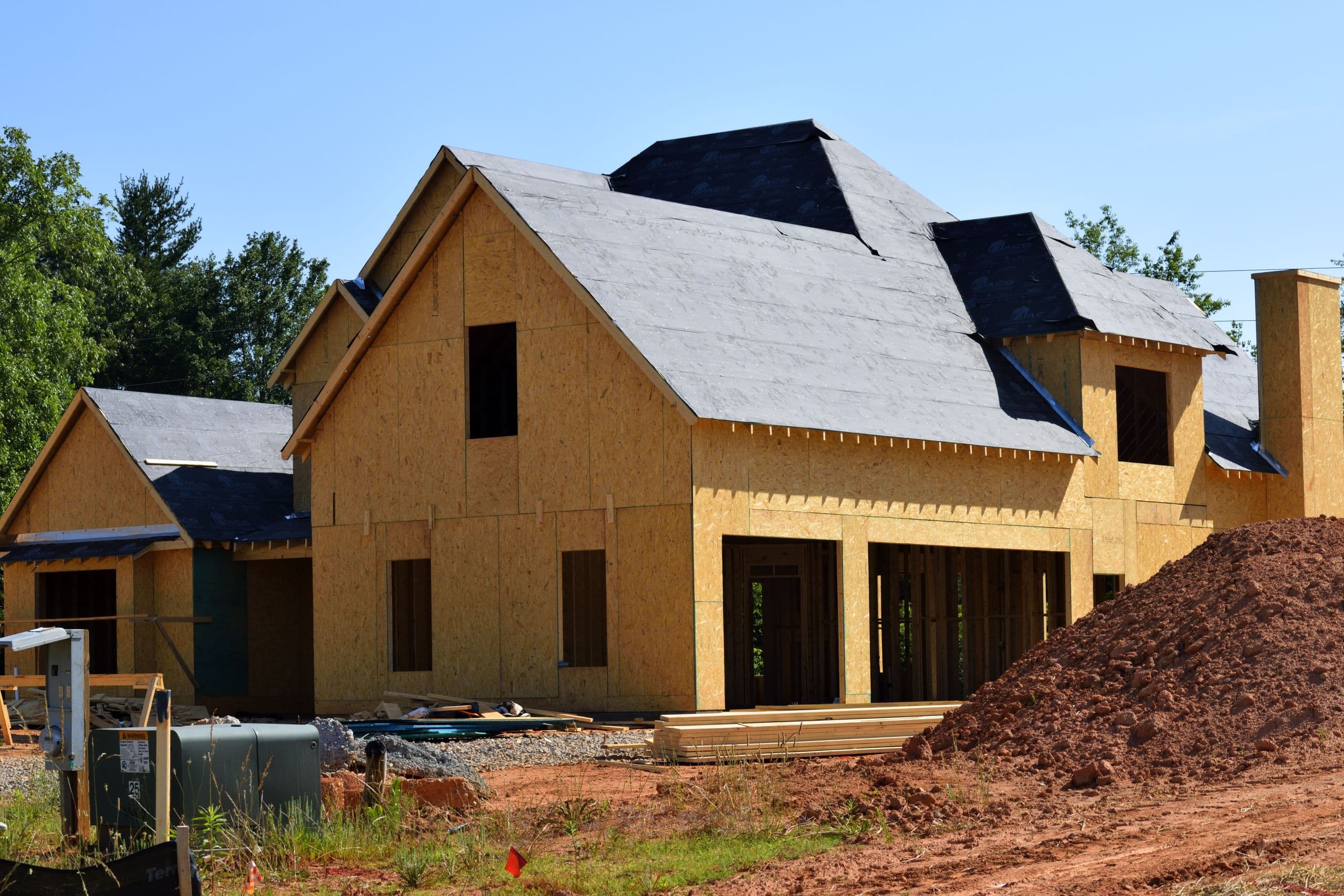
The base for capital works is what it cost to build, excluding the land. It is not what you paid for the property, and using the purchase price will overstate the deduction substantially.
Most owners do not know the original construction cost, particularly on an older property. That is the job a quantity surveyor does, and their report is itself deductible. Where the cost genuinely cannot be established, the ATO accepts an estimate from an appropriately qualified person.
If you have the original build contract, use that figure. If you are estimating for planning purposes, be conservative, because an overstated construction cost produces an overstated deduction in every one of the remaining years.

What you claim now, you give back at sale
Capital works deductions reduce the cost base of the property. Claim $8,000 a year for twelve years and your cost base is $96,000 lower, which makes the eventual capital gain $96,000 larger.
That is not an argument against claiming. The deduction saves tax at your marginal rate in every year you hold, and under current rules only half of what it adds back is taxed if you have held for more than twelve months. Taking it now and paying later is usually the better order.
It does mean the deduction is a deferral rather than free money, and it should sit in the same plan as the sale. The tool prints the annual cost base reduction next to the deduction for that reason.
The rule applies even where you did not claim. If you were entitled to a capital works deduction, the cost base is generally reduced whether or not you took it, so leaving it unclaimed usually gains nothing.
Common questions
For a property whose construction started after 15 September 1987, capital works is 2.5% of the original construction cost each year for 40 years from completion. On a $320,000 build that is $8,000 a year. Whether you can also claim plant and equipment depends on how you acquired the property: if you bought an established residential property after 7:30pm on 9 May 2017, decline in value on previously used plant cannot be claimed at all.
You can claim capital works on the building, provided construction started after 15 September 1987 and the 40 years have not run out. You generally cannot claim decline in value on the plant and equipment that came with it, because the rule introduced at 7:30pm on 9 May 2017 removed that deduction for previously used assets in second-hand residential property. Assets you buy and install yourself afterwards are a different matter and can still be depreciated.
You need a reasonable basis for the construction cost, and if you do not have the original build contract a quantity surveyor is the usual way to establish it. The ATO accepts an estimate from an appropriately qualified person where the actual cost cannot be determined. The cost of the report is deductible. For a property that is old enough to have exhausted its 40 years, or built before 18 July 1985, a schedule may find nothing worth having.
No. The period runs from when construction was completed, not from when you bought. Buying a fifteen-year-old house means inheriting the remaining 25 years of its schedule rather than starting a fresh 40, and a property built more than 40 years ago has nothing left to claim on the original structure. Renovations completed later are treated separately and start their own 40 years from when that work was finished, which is why an older property that has been substantially renovated can still be worth assessing.
Capital works deductions reduce the cost base, so yes, they make the eventual gain larger. It is still usually worth claiming, because the deduction reduces taxable income at your marginal rate every year while the gain it adds back is discounted if you have held the property more than twelve months. Note also that the cost base is generally reduced where you were entitled to the deduction, whether or not you actually claimed it.
Where to next
- Commissioning a depreciation schedule/investment-property-depreciation-schedule
- Capital works deductions, explained/capital-works-deduction
- Capital gains tax calculator, for the cost base effect/capital-gains-tax-calculator
- Investment property tax deductions/investment-property-tax-deductions
- Rental yield calculator/rental-yield-calculator
- Queensland land tax calculator/land-tax-calculator-qld
- Investment Property Cost Analysis: A Worked Example on a Real Queensland House/investment-property-cost-analysis-example
- Investment Property Calculator Queensland/investment-property-calculator
- Negative Gearing Calculator, Single or Joint Owners/negative-gearing-calculator
General information only. This page doesn't consider your personal circumstances and isn't financial, tax, credit or legal advice, so get licensed advice on your own position. Every figure the calculator returns is an estimate based on what you enter. It calculates capital works under Division 43 only. It does not calculate decline in value on plant and equipment under Division 40, which depends on each asset's effective life and cost, and it does not handle low-value pooling, immediate write-offs, part-year claims, apportionment for periods the property was not available for rent, or renovations by a previous owner that qualify in their own right. Rates, construction date bands, the 40-year and 25-year periods, the cost base interaction and the second-hand plant rule from 7:30pm on 9 May 2017 come from Australian Taxation Office guidance on capital works deductions and on depreciating assets in rental properties, read on 3 September 2026. Establishing an original construction cost you do not hold records for is work for an appropriately qualified person such as a quantity surveyor. FAA Property Pty Ltd holds QLD OFT real estate licence 4220395. FAA Property earns a commission from builders and developers when a property purchase proceeds. The strategy session itself costs you nothing. Because we're paid by the supply side, you should weigh our recommendations with that in mind. Financial advice and credit sit with other FAA Group companies, which are authorised representatives of Lifespan Financial Planning Pty Ltd, AFSL 229892. FAA doesn't lend money.