
Capital works is the structural half of property depreciation, deducted at 2.5% of construction cost a year for forty years from completion. Unlike plant and equipment, it was not removed for second-hand residential property in 2017, so an established house can still claim it for whatever is left of the forty years. It also reduces your cost base.
By Kayla Dale, Senior Property Manager and Sales Agent, FAA Property. Last reviewed 3 September 2026.
This is the half an old house keeps
Depreciation on a rental splits in two, and the two halves were treated very differently by the 2017 changes.
Plant and equipment is the removable half: the oven, the carpet, the blinds, the air conditioning. Buy a second-hand residential property and the previously used plant is generally not available to you. That is the change everyone remembers.
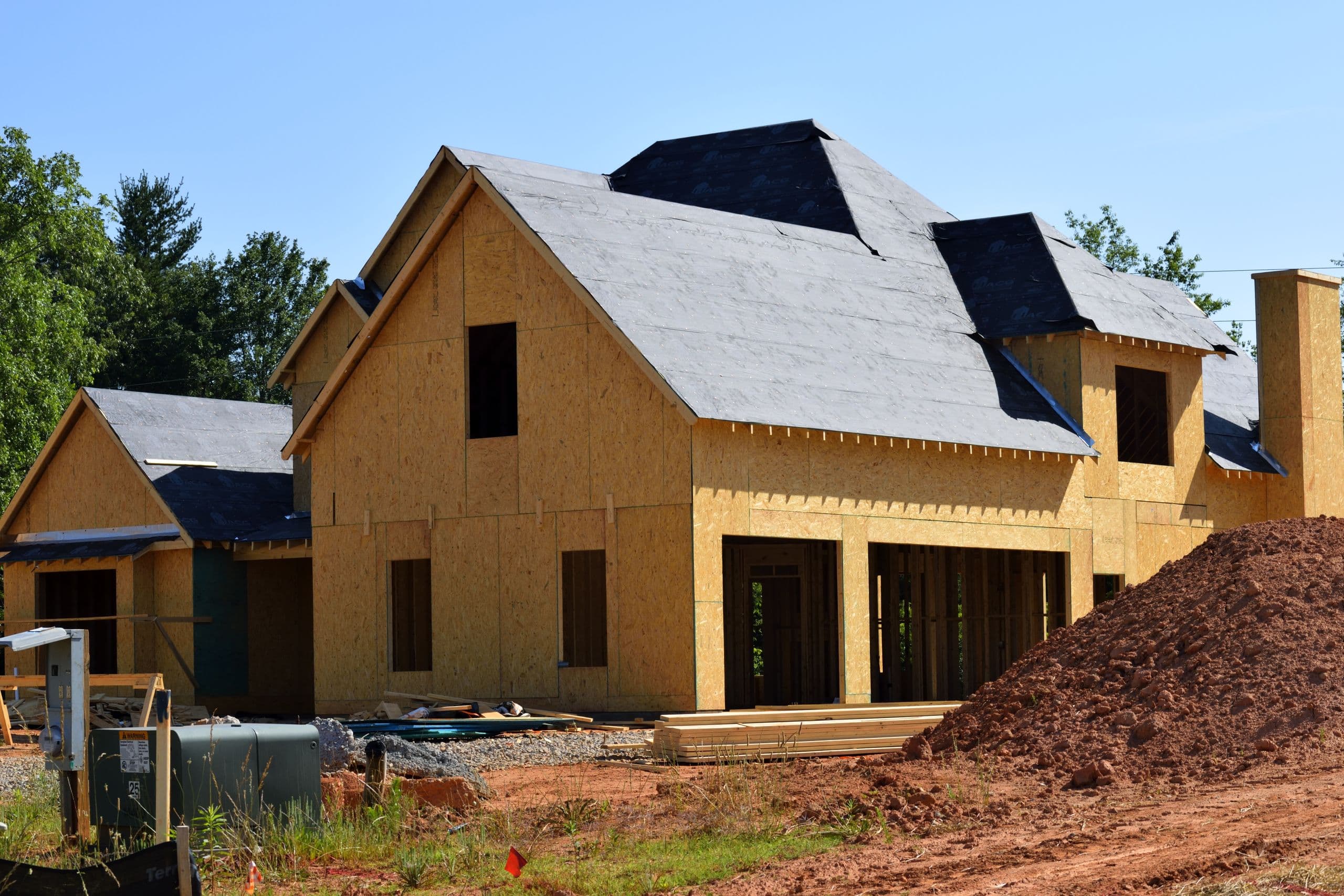
Capital works is the structure: the slab, the frame, the roof, the walls, the driveway. It was not touched.
So the common summary, that you cannot claim depreciation on an established property, is half right and half wrong. The half it gets wrong is the larger one on most properties.
Our own calculator is on the wrong side of that nuance and it is worth saying so: it returns zero for an established property, because it models new builds. That is a modelling simplification, not a statement of the law.
2.5% a year for forty years, and the arithmetic is exact
Capital works on residential rental property is deducted at 2.5% of the construction cost each year, for forty years from completion.
Two and a half percent times forty years is one hundred percent. That is not a coincidence and it is a useful check: the whole construction cost is eventually claimed, spread evenly, with nothing left over.
It also means a building completed more than forty years ago has no capital works deduction left, which is the real reason a very old house may be a poor candidate for a depreciation schedule.
The forty years runs from when construction finished, not from when you bought. Buy a fifteen-year-old house and you inherit the remaining twenty-five years.
- 2.5% a year
- Rate, residential
- Source: ATO
- 40 years
- Period
- Source: ATO
- 100% of construction cost
- Total claimed
What it looks like on a real construction cost
FAA's investment property calculator ships with a worked scenario: a house-and-land property costing $801,058, of which $480,635 is construction.
Capital works on that build is $12,015.88 a year. Flat, every year, until year forty.
Flat is the word that matters. The plant and equipment half falls away quickly, because diminishing value takes a percentage of what is left. Capital works does not move at all.
The practical consequence is that a projection which shows depreciation declining is showing you the plant half. The capital works half is still there in year twenty at exactly the same number.
| Year | Capital works | Plant and equipment | Total |
|---|---|---|---|
| 1 | $12,016 | $9,613 | $21,629 |
| 3 | $12,016 | $6,152 | $18,168 |
| 5 | $12,016 | $3,937 | $15,953 |
| 10 | $12,016 | $1,290 | $13,306 |
| 20 | $12,016 | Negligible | About $12,016 |
Source: FAA engine
What counts as capital works, and what does not
The line is structural against removable, and it is not always where people expect.
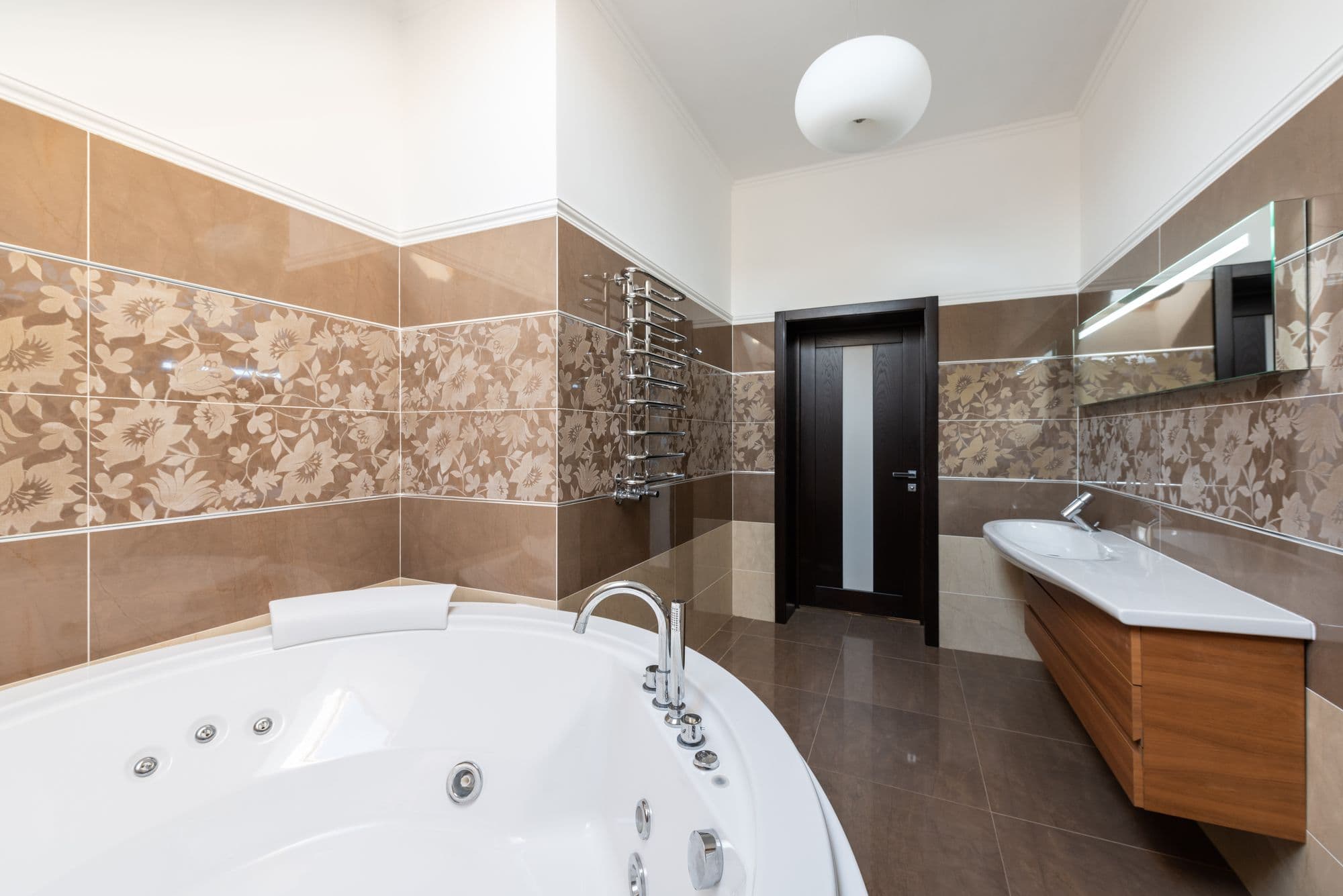
A pergola is capital works. The outdoor setting under it is plant and equipment. A built-in wardrobe is capital works; a freestanding one is not. Fixed floor tiles are capital works; the carpet over them is plant.
Structural improvements outside the building count too: a retaining wall, a driveway, a fence, a concrete pool shell.
What does not count is the land. Land does not depreciate, which is why a depreciation schedule needs the construction cost rather than the purchase price, and why a quantity surveyor is the person who estimates it.
Renovations by a previous owner count as well, and that is the point most often missed on an established property. If someone extended the house in 2015, there is capital works available to you on that extension even though you did not do the work.
You need a quantity surveyor, and your accountant is not one
To claim capital works you need the construction cost. If you did not build it, you generally do not know it, and a guess is not acceptable.
The ATO's position is that where the actual cost is unknown, the estimate has to come from someone qualified to make it, which in practice means a quantity surveyor. An accountant is explicitly not the right professional for this estimate.
That is what a depreciation schedule is: a quantity surveyor's report, prepared once, running the full forty years, that your accountant then applies each year.
On an established property the honest question to ask a surveyor before commissioning one is what the first full year's capital works deduction is likely to be. If the building is old enough that most of the forty years has run, the answer may not justify the fee, and a reputable surveyor will tell you so.
The catch: it reduces your cost base
Capital works deductions claimed while you own the property generally reduce its cost base, which increases the capital gain calculated when you sell.
On the engine's default scenario, twenty years of capital works at $12,016 a year is $240,318 taken off the cost base. That is not a rounding error.
Taking the deduction is still usually the better order. It reduces taxable income every year at your marginal rate, and the gain it adds back is discounted by fifty percent for an individual who has held the property more than twelve months.
That 50% discount is itself changing. For gains accruing from 1 July 2027 the Treasury Laws Amendment (Tax Reform No. 1) Act 2026 replaces it, for individuals, trusts and partnerships, with cost base indexation and a minimum 30% tax rate on real gains. It is not retrospective, so a gain accruing across that date is worked out in two parts. The capital works add-back itself is unchanged by the reform; it is the discount applied afterwards that changes.
But a projection that counts capital works as a pure saving is overstating the position, and the time to understand that is before you sell rather than when the assessment arrives.
There is a related trap worth knowing: the reduction can apply whether or not you actually claimed the deduction, where you were entitled to it. Not claiming is not a way of protecting the cost base.
Common questions
Yes, and this is the part most summaries get wrong. The 2017 changes removed previously used plant and equipment on second-hand residential property; they did not touch capital works. The 2.5% building write-off remains available on an established property for whatever is left of the forty years from construction, including renovations a previous owner paid for. FAA's own calculator returns zero for an established property, which is a modelling simplification for new builds rather than a statement of the law.
2.5% of the construction cost each year for forty years, on residential rental property. Two and a half percent across forty years is exactly one hundred percent, so the whole construction cost is eventually claimed, spread evenly. The forty years runs from when construction was completed, not from when you bought, so a fifteen-year-old house has about twenty-five years left.
Capital works is the structure: slab, frame, roof, walls, driveways, retaining walls, fixed tiling, built-in wardrobes. Plant and equipment is removable: oven, carpet, blinds, air conditioning, freestanding furniture. They are deducted differently, capital works at a flat 2.5% and plant over each asset's effective life, and they were treated very differently by the 2017 changes to second-hand residential property.
In practice yes, unless you built the property and hold the actual construction costs. Where the actual cost is unknown it has to be estimated by someone qualified to do it, and an accountant is not the right professional for that estimate. A quantity surveyor's depreciation schedule is prepared once, covers the full forty years, and your accountant applies it each year.
Generally yes. Capital works deductions claimed during ownership reduce the property's cost base, which makes the eventual capital gain larger. On FAA's calculator's default scenario, twenty years at $12,016 a year takes $240,318 off the cost base. Taking the deduction is still usually the better order, because it reduces taxable income annually at your marginal rate while the gain it adds back attracts the 50% discount for an individual holding more than twelve months, a discount replaced by cost base indexation and a minimum 30% tax rate for gains accruing from 1 July 2027. Note also that the reduction can apply where you were entitled to the deduction even if you did not claim it.
Capital works on qualifying construction is available to the current owner for the remainder of the forty-year period, including work a previous owner paid for. If the house was extended in 2015, there is capital works on that extension available to you even though you did not commission it. Establishing the cost of work you did not do is exactly the situation a quantity surveyor's estimate exists for.
Where to next
- How depreciation schedules work/investment-property-depreciation-schedule
- The CGT six-year rule/cgt-six-year-rule
- What you can claim on a rental/investment-property-tax-deductions
- Capital gains tax on a rental/capital-gains-tax-investment-property-queensland
- Model what a property costs to hold/investment-property-calculator
- Land tax on investment property/land-tax-investment-property-queensland
- Stamp duty on investment property/stamp-duty-investment-property-queensland
- Building and pest inspection cost/building-and-pest-inspection-cost-queensland
General information only, reviewed against ATO guidance and last reviewed on the date above. The 2.5% rate, the forty-year period, what qualifies as capital works and the cost base interaction are Australian Taxation Office guidance, reproduced rather than interpreted. Worked figures come from FAA's own calculator's illustrative defaults and are not a valuation of any property; a real depreciation schedule is prepared by a qualified quantity surveyor and will differ. This page doesn't consider your circumstances and isn't personal tax, financial or legal advice, so talk to a registered tax agent about yours. FAA Property Pty Ltd is a licensed Queensland real estate agency, OFT licence 4220395. FAA doesn't prepare depreciation schedules, doesn't provide tax advice and receives no referral fee from any quantity surveyor.