
A depreciation schedule is a one-off quantity surveyor's report, running forty years, setting out what you can claim as a property wears out. It splits in two: capital works at 2.5% of construction cost a year, and plant and equipment over its effective life. A new build claims both halves. An established property usually claims only the first.
Last reviewed 18 August 2026.
What a depreciation schedule actually is
It is a report, prepared once, that sets out how much of a property's building and fittings you can claim as they wear out. A quantity surveyor prepares it, it runs for forty years, and you give it to your accountant rather than to the tax office.
You order it once. It is not an annual cost and it does not expire, though it needs updating if you make substantial changes to the property.
It splits into two halves that behave quite differently. Capital works covers the structure: the slab, the frame, the roof, the walls. Plant and equipment covers the removable things: the oven, the carpet, the blinds, the air conditioning.
The reason the split matters is that the two halves are treated differently by the tax rules, and one of them turned on the date the property was built and when you bought it.
Our own calculator returns zero for an established property
This is the sharpest way to say what the rules did, so it goes early. FAA's investment property calculator has a depreciation function in it. Given an established property, it returns zero. Not a small number. Zero.
That is not an oversight in the code. It is the post-2017 position written into a tool: for a second-hand residential property, the plant and equipment a previous owner already used is not available to you, and what remains is thin enough that the engine does not model it at all.
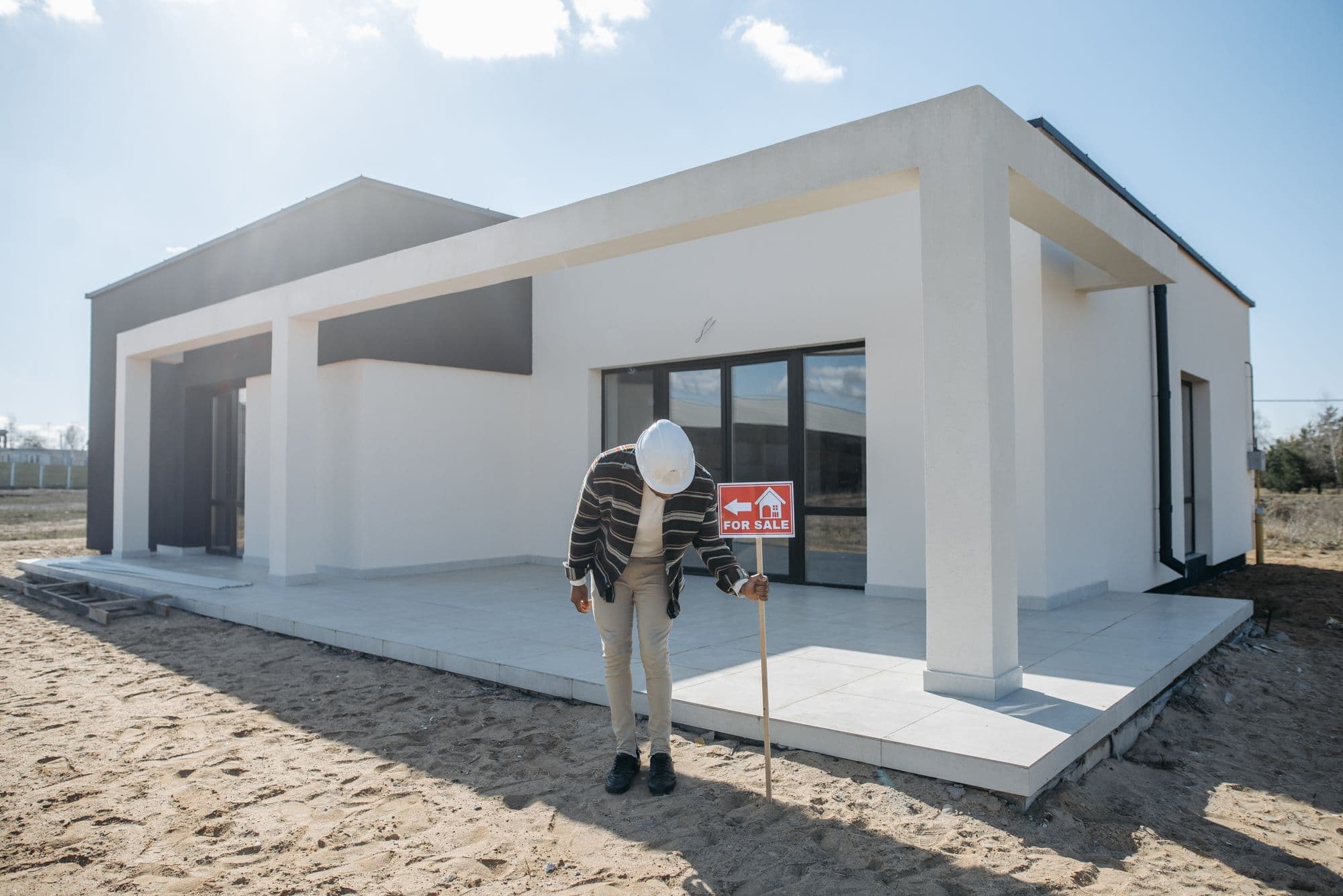
Give the same function a new build and it returns a real figure, because both halves are available on a property nobody has lived in.
We build and sell house-and-land, so it would be easy to read that as a sales argument. It is worth being plain instead: this is the single largest tax difference between new and established residential property, it is created by legislation rather than by anything we do, and it is the reason the depreciation question is worth asking before you choose what to buy rather than afterwards.

The arithmetic, on our calculator's default scenario
The engine ships with a worked example: a property costing $801,058, of which $480,635 is construction. Everything below comes out of that one number.
Capital works runs at 2.5% of construction cost a year, which is $12,015.88. It runs for forty years, and 2.5% across forty years is 100%, so the whole construction cost is eventually claimed. That is a useful check that the rate and the term belong together.
Plant and equipment is modelled as a pool worth 10% of the build, so $48,063.50, written off at 20% diminishing value. Year one is $9,612.70 of that pool. Year two is $7,690.16. By year ten it is down to $1,290.19.
So year one totals $21,628.58, and the figure declines from there while the capital works half stays flat.
Two honest caveats. Those percentages are the engine's modelling assumptions, not a valuation of your property, and a real schedule prepared by a quantity surveyor will itemise actual assets with actual effective lives rather than pooling them. And a deduction is not a refund: $21,628 of depreciation reduces taxable income, and what it is worth to you depends on your marginal rate.
- $12,016
- Capital works, each year
- Source: FAA engine
- $9,613
- Plant and equipment, year 1
- Source: FAA engine
- $21,629
- Year 1 total, new build
- Source: FAA engine
- $0
- Year 1 total, established
- Source: FAA engine
How the claim moves over ten years
The two halves age at different speeds, and the shape matters if you are modelling cash flow rather than just the first year.
Capital works does not move. It is the same $12,015.88 every year until year forty.
Plant and equipment falls away quickly, because diminishing value takes 20% of what is left rather than 20% of the original. It halves roughly every three years.
The practical consequence is that the depreciation benefit is front-loaded, and a projection that assumes year one repeats will overstate years five and ten.
| Year | Capital works | Plant and equipment | Total |
|---|---|---|---|
| 1 | $12,016 | $9,613 | $21,629 |
| 2 | $12,016 | $7,690 | $19,706 |
| 3 | $12,016 | $6,152 | $18,168 |
| 5 | $12,016 | $3,937 | $15,953 |
| 10 | $12,016 | $1,290 | $13,306 |
Source: FAA engine
What the ATO says about the assets themselves
The tax office's own framing is decline in value over effective life. An asset has an expected working life, and you claim its cost across that life rather than all at once.
There is a threshold underneath it. For depreciating assets costing more than $300 you claim the decline in value over the asset's effective useful life. Below that, the treatment is different and much simpler.
Two methods exist for the calculation. Prime cost claims a fixed percentage of the original value each year. Diminishing value claims a percentage of what is left, which front-loads the deduction. Our engine uses diminishing value for the plant pool, which is why the figures in the table above fall away rather than staying level.
Which method suits you is a decision for your accountant, and it is not always the one that claims the most in year one.
What a schedule costs, and when it stops being worth it
Quantity surveyors publish their pricing, and schedules for a residential investment property commonly start around $600 plus GST. The fee itself is deductible.
The arithmetic is usually straightforward on a new build. A schedule costing a few hundred dollars against a year-one deduction in the tens of thousands is not a close call.
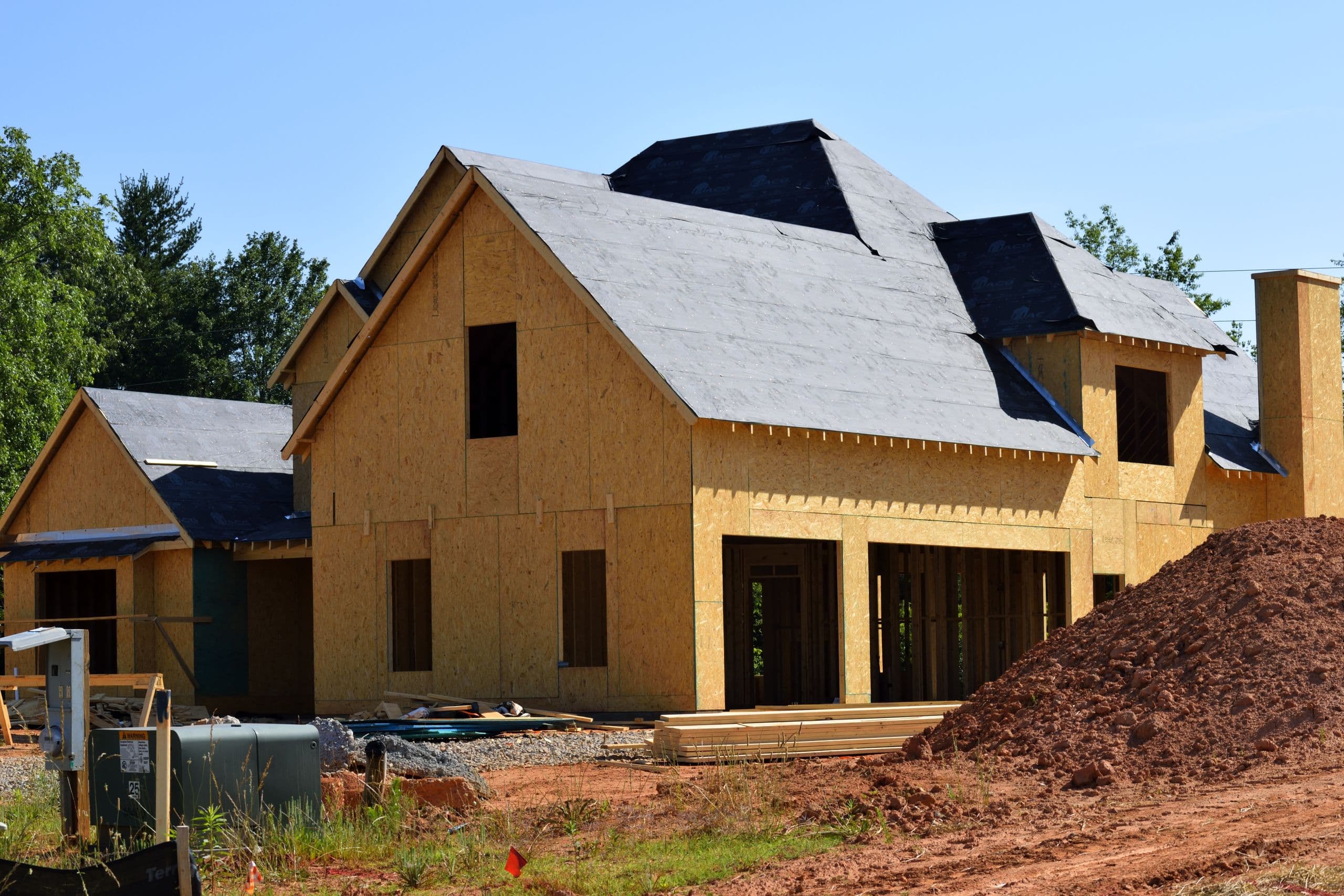
On an older established property it can genuinely go the other way, and a reputable surveyor will tell you so before taking the job. If the structure is old enough that the forty-year capital works period has largely run out, and the plant and equipment is not claimable because you bought it second-hand, there may be very little left to schedule.
That is the honest version. Ask the surveyor for an estimate of the first full year's deduction before you commission the report, and compare it against their fee.
We do not prepare schedules, do not sell them, and are not paid a referral fee for pointing you at anyone who does. Your accountant will usually have a surveyor they work with.
Where this sits against the rest of the tax picture
Depreciation is the deduction people most often miss, because unlike interest or council rates there is no invoice arriving to remind you of it.
It is also the one that behaves oddly at the other end. Capital works claimed during ownership generally reduces the property's cost base, which increases the capital gain when you sell. So part of the benefit is timing rather than a permanent saving.
That is a general description of the mechanism rather than advice about your position, and it is exactly the sort of thing worth putting to your accountant before you decide how aggressive to be.
What we would say plainly: get the schedule on a new build, ask before you commission one on an old established property, and do not let a projection assume year one repeats.
Common questions
Much less than on a new build, and often nothing at all for the plant and equipment half. FAA's own calculator returns zero depreciation for an established property, which is the post-2017 position encoded in a tool: previously used plant and equipment in a second-hand residential property is not available to a later buyer. Capital works on the structure may still be claimable depending on when the building was constructed, which is worth asking a quantity surveyor about before commissioning a report.
On the scenario in FAA's calculator, $21,629 in year one. That is $12,016 of capital works, being 2.5% of the $480,635 construction cost, plus $9,613 from a plant and equipment pool written down at 20% diminishing value. The capital works half stays level for forty years; the plant half roughly halves every three years, so year ten is $13,306. Those are modelling assumptions, not a valuation of any particular property.
Quantity surveyors commonly publish residential schedules starting around $600 plus GST, and the fee is deductible. You order it once and it runs for forty years, so it is not a recurring cost. On a new build the deduction usually dwarfs the fee. On an older established property it may not, and a reputable surveyor will estimate the first year's deduction before taking the job.
It generally works the other way. Capital works deductions claimed during ownership reduce the property's cost base, which increases the capital gain calculated on sale. So part of the benefit is a timing difference rather than a permanent saving. How that plays out for your circumstances is a question for your accountant, and it is worth asking early rather than in the year you sell.
A qualified quantity surveyor. Your accountant applies it, but does not usually prepare it, because estimating construction costs is a surveying job rather than an accounting one. FAA does not prepare schedules, does not sell them, and is not paid a referral fee for recommending anyone who does.
Where to next
- Work out the negative gearing position/negative-gearing-calculator
- New build investment property in Queensland/new-build-investment-property-queensland
- Model what a property costs to hold/investment-property-calculator
- A worked investment property cost analysis/investment-property-cost-analysis-example
- Book a property strategy call/investment-property-strategy-call
- Land tax on investment property/land-tax-investment-property-queensland
- Stamp duty on investment property/stamp-duty-investment-property-queensland
- What you can claim on a rental/investment-property-tax-deductions
- Capital gains tax on a rental/capital-gains-tax-investment-property-queensland
- Building and pest inspection cost/building-and-pest-inspection-cost-queensland
- Landlord and building insurance/investment-property-insurance-queensland
General information only. The worked figures here come from FAA's own calculator's modelling assumptions and are illustrative, not a valuation of any property. A real schedule is prepared by a qualified quantity surveyor and will differ. This page isn't personal tax, financial or legal advice. Get advice from your own accountant before acting on it. FAA Property Pty Ltd is a licensed Queensland real estate agency, OFT licence 4220395. FAA doesn't prepare or sell depreciation schedules and receives no referral fee for recommending anyone who does.