Fair wear and tear is not defined in the Residential Tenancies and Rooming Accommodation Act 2008. Section 188 requires a tenant to leave the premises, as far as possible, in the same condition as at the start of the tenancy, fair wear and tear excepted, and leaves the phrase itself open. The RTA's working description is wear that happens during normal use, and changes that occur with ageing and deterioration from exposure to the environment. Dirt, grime, grease and damage, including damage caused by an approved pet, are not fair wear and tear. The deciding question on any item is what caused it, not what it costs.
Last reviewed 7 September 2026.
The phrase is not defined in the Act
Start with the thing that explains why these arguments happen at all.
Section 188 of the Residential Tenancies and Rooming Accommodation Act 2008 requires a tenant, at the end of a tenancy, to leave the premises and inclusions as far as possible in the same condition they were in at the start, fair wear and tear excepted.
It does not then say what fair wear and tear is. The Act uses the phrase, carves it out of the tenant's obligation, and leaves the term itself undefined.
So every disagreement about a carpet, a wall or a window is an argument about an undefined standard applied to a specific set of facts. That is not a drafting failure. A definition tight enough to be useful would be too rigid to cover a nine-year-old carpet and a nine-month-old one, and the flexibility is the point. But it does mean nobody can settle a dispute by quoting a section, and anyone who tells you the Act is clear on this has not read it.
What the RTA actually means by it
In the absence of a statutory definition, the RTA's description is the working standard, and it has two limbs.
Fair wear and tear happens during normal use of a property, and through changes that occur with ageing and deterioration over time from exposure to the environment.
Normal use is the first limb. Carpet in a hallway wears faster than carpet in a spare bedroom because people walk down hallways. That is the property being used as a home rather than being mistreated.
Ageing and the environment is the second, and it is the one landlords underweight. Curtains and paint fade in the Queensland sun. Plaster cracks as a building settles. None of that has anything to do with who was living there, and all of it happens on an empty house too.
The RTA is equally clear about what falls outside: dirt, grime, grease and damage, including damage caused by an approved pet, are not fair wear and tear. Approving a pet is not accepting the cost of what it does.
The same object, on both sides of the line
The RTA's own examples are the most useful thing published on this subject, because they pair up. The same item appears as wear and as damage, and only the cause separates them.
That is the test in practice. Not what the damage looks like or what it costs, but how it came to be there.
One of the RTA's examples has no counterpart, and it is worth knowing on its own: scratches on a kitchen benchtop from cutting food directly on the surface are damage. There is no version of that which counts as wear, because nothing about normal use requires it.
| Item | Fair wear and tear | Not fair wear and tear |
|---|---|---|
| Window pane | Cracked because the frame is old or warped | Cracked by slamming the window shut carelessly |
| Garden mulch | Broken down over time | Dug up by the tenant's dog |
| Paint | Faded by exposure to the environment | Discoloured by candle smoke |
| Plaster | Cracked as the building settles | Chipped by nails being hammered in |
| Carpet | Worn by day-to-day use, pile flattened by furniture or foot traffic | Stained, including by an approved pet |
Source: RTA, read 7 September 2026
Age is the argument nobody makes early enough
A worn carpet is not a fixed amount of money. It depends entirely on what the carpet was worth when the tenancy started.
If a carpet was already eight years old and visibly worn at the start of the tenancy, a tenant who leaves it nine years old and slightly more worn has done what time does. Replacing it is a capital cost the owner was always going to face, and it is not the tenant's to fund.
If the same carpet was new at the start and comes back with a burn in it, the burn is damage and the age argument does not help anyone.
This is why the entry condition report matters more than any other document in the tenancy. It is the only contemporaneous record of the starting condition, and without it both sides are arguing from memory about a standard the Act does not define. A report with photographs and specific notes, rather than a column of ticks, is worth the twenty minutes it takes.

Cleaning is a separate question
Worth separating out, because it is where most bond disputes actually live.
Dirt, grime and grease are not fair wear and tear. Cleaning is not covered by the carve-out at all, so a property left dirty is not excused by the fact that it was lived in.
The obligation is to return the property in the same condition it was in at the start, allowing for wear. If it was professionally cleaned at the start, the standard at the end is that standard. If it was handed over merely tidy, the standard is merely tidy.
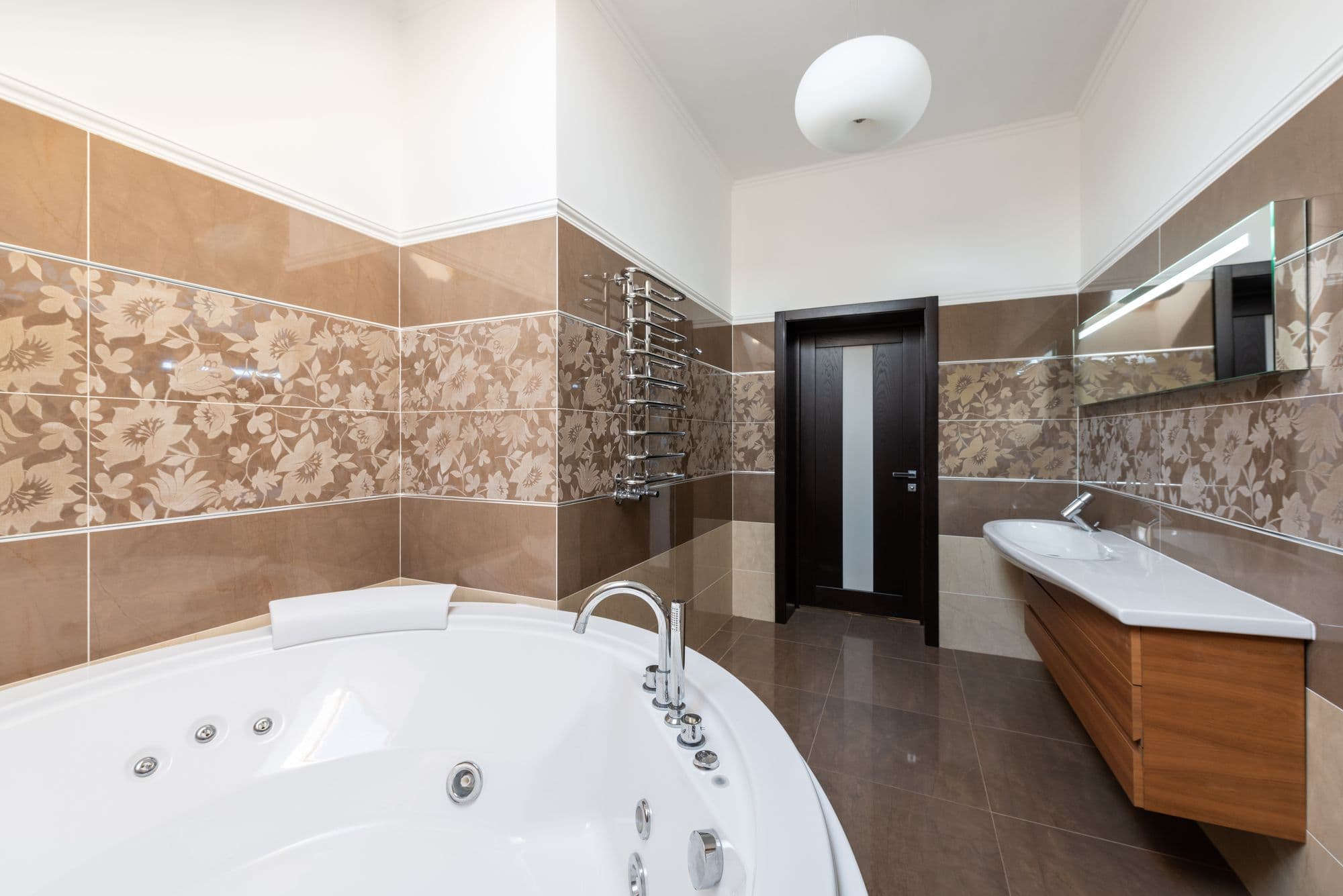
So the practical distinction is: a bathroom whose grout has aged and discoloured is wear, and a bathroom whose grout is covered in soap scum is cleaning. The first is the owner's. The second is the tenant's. They can be in the same room.
How the argument gets settled
Where the parties disagree at the end of a tenancy, the bond is the thing being argued over, and the RTA's dispute resolution service comes before the tribunal.
Evidence decides these, and the evidence is almost always photographic. Entry photographs beside exit photographs, of the same item from roughly the same angle, settle more disputes than any argument about principle.
What does not work is a claim expressed as a lump sum with no basis. A claim for a full carpet replacement on a carpet that was already half-used will not survive contact with the question of how old it was.
For an owner, the useful discipline is to ask of each item: would this have happened anyway, over this period, to a property nobody mistreated? If yes, it is wear. If no, it is worth documenting properly.
Common questions
No. Section 188 of the Residential Tenancies and Rooming Accommodation Act 2008 requires a tenant to leave the premises and inclusions, as far as possible, in the same condition they were in at the start of the tenancy, fair wear and tear excepted, but the Act does not define the phrase itself. The working standard comes from the RTA, which describes fair wear and tear as arising during normal use of a property and through changes that occur with ageing and deterioration from exposure to the environment. That is why these disputes turn on facts and evidence rather than on quoting a section.
No, and approving the pet does not change that. The RTA is explicit that dirt, grime, grease and damage, including damage caused by an approved pet, are not fair wear and tear. Its worked examples include a garden dug up by a tenant's dog and carpet stained by an approved pet, both of which fall outside the carve-out. Consenting to a pet is consent to the pet living there, not acceptance of the cost of what it does to the property.
It depends almost entirely on how old the carpet was when the tenancy started. The RTA treats carpet worn by day-to-day use, and pile flattened by furniture or foot traffic, as fair wear and tear. A carpet that was already well used at the start and is slightly more worn at the end has simply aged, and replacing it is a capital cost the owner faced regardless. A stain or a burn is a different matter, because that is damage rather than wear. This is why the entry condition report and its photographs carry so much weight.
No, and this is where most bond disputes actually sit. Dirt, grime and grease are outside the carve-out entirely, so a property left dirty is not excused by having been lived in. The standard is the condition recorded at the start of the tenancy: if the property was professionally cleaned then, that is the standard at the end. A bathroom with aged, discoloured grout is wear and sits with the owner, while the same bathroom covered in soap scum is cleaning and sits with the tenant. Both can be true in one room.
On evidence, through the RTA's dispute resolution service before any tribunal application. The evidence that settles these is photographic: entry photographs beside exit photographs of the same item, from roughly the same angle. A claim expressed as a lump sum with no basis rarely survives, and neither does a claim for full replacement of something that was already part-worn. The useful question on each item is whether it would have happened anyway over that period to a property nobody mistreated.
Where to next
- Entry and exit condition reports/condition-reports-qld
- Routine inspections and property reports/routine-inspections-property-reports
- Property maintenance for landlords/property-maintenance-for-landlords
- Property management fees/property-management-fees-qld
- Rent increases in QLD/rent-increase-qld
- Notice to remedy breach/notice-to-remedy-breach-qld
- Minimum Housing Standards QLD/minimum-housing-standards-qld
- Notice to Leave QLD/notice-to-leave-qld
- Rental Bond QLD/rental-bond-qld
General information only. This page doesn't consider your personal circumstances and isn't financial, tax, credit or legal advice, so get licensed advice on your own position. Whether a particular item is fair wear and tear depends on the facts of that tenancy, including the condition recorded at the start, and no general description settles an individual dispute. The description of fair wear and tear, the worked examples and the position on dirt, grime, grease and pet damage come from Residential Tenancies Authority guidance, and the tenant's end-of-tenancy obligation from section 188 of the Residential Tenancies and Rooming Accommodation Act 2008, both read on 7 September 2026. FAA Property Pty Ltd holds QLD OFT real estate licence 4220395. FAA Property earns a commission from builders and developers when a property purchase proceeds. The strategy session itself costs you nothing. Because we're paid by the supply side, you should weigh our recommendations with that in mind. Financial advice and credit sit with other FAA Group companies, which are authorised representatives of Lifespan Financial Planning Pty Ltd, AFSL 229892. FAA doesn't lend money.